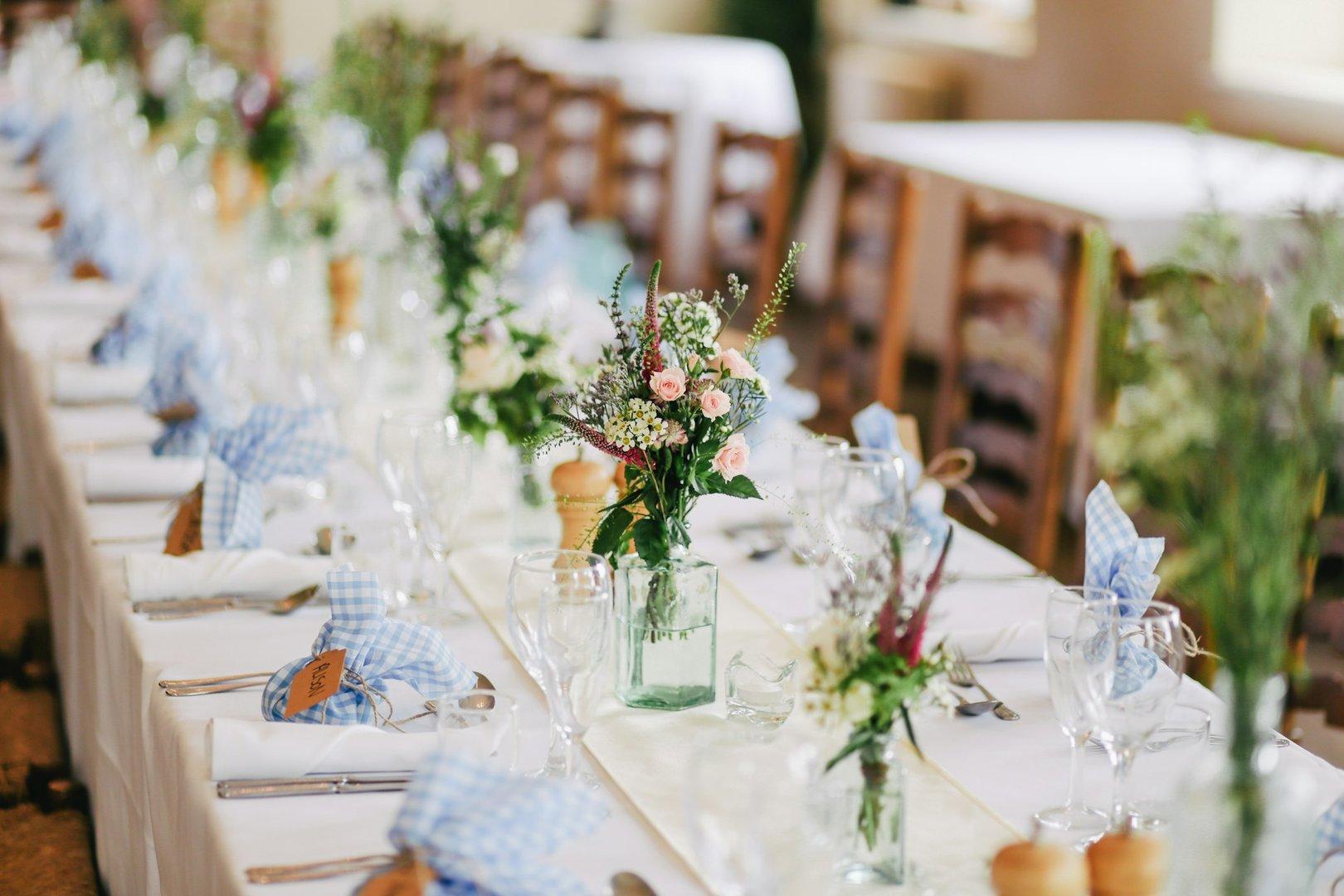
Few wedding topics cause as much stress as the plus-one dilemma. In Filipino culture, where family connections run deep and 'the more the merrier' is practically law, setting boundaries around your guest list requires finesse and careful communication.
The challenge is balancing your budget and venue constraints against cultural expectations that weddings include everyone. This guide helps you establish a fair policy, communicate it clearly, and handle the inevitable requests that fall outside your boundaries.
Establishing Your Plus-One Policy
Before sending a single invitation, you and your partner need to agree on your approach. A clear policy applied consistently prevents accusations of favoritism and gives you confidence when handling requests.
Common Policy Approaches
Several standard approaches exist. 'Plus-ones for serious partners only' (dating 6+ months or living together) is popular and easily defensible. 'Plus-ones for married/engaged couples only' is more restrictive but simpler to enforce.
Some couples offer plus-ones to out-of-town guests who won't know anyone at the wedding—a kindness that helps distant friends feel more comfortable attending. Others eliminate plus-ones entirely except for married couples, maximizing their guest list of people they actually know.
Why Consistency Matters
Whatever you decide, apply it consistently. If your cousin's boyfriend of three months doesn't get an invite, your college friend's boyfriend of three months shouldn't either. Inconsistent rules invite conflict and hurt feelings.
Write down your policy and share it with both sets of parents. This prevents well-meaning relatives from making promises on your behalf ('Of course you can bring your new girlfriend!').
The Budget Reality
Budget is a valid reason to limit plus-ones. At P2,000-3,000 per head for reception meals alone, ten extra plus-ones add P20,000-30,000 to your costs. You shouldn't have to justify limiting your guest list, but having these numbers helps set expectations.
Consider the math: every plus-one you allow is one fewer person you actually know at your wedding. If you're choosing between your college roommate's blind date and your childhood neighbor, the choice becomes clearer.
Clear Invitation Wording
Your invitations should communicate your policy without requiring explicit statements about who's not invited. Clear addressing does most of the work.
Addressing Invitations Correctly
Address envelopes specifically to communicate your intentions. 'Maria Santos and Guest' clearly indicates a plus-one is welcome. 'Maria Santos' alone—with no mention of guest or partner—indicates the invitation is for that person only.
For couples you know, address by name: 'Maria Santos and Juan Cruz.' This is more personal than 'and Guest' and confirms you've included their specific partner, not just anyone they might bring.
Avoiding Ambiguous Phrases
Avoid phrases like 'and family' unless you genuinely welcome entire families including children. This open-ended language can result in guests assuming they can bring siblings, parents, or their whole household.
Be specific about numbers when using your RSVP form. Instead of an open text field for 'number attending,' provide a dropdown that limits to the number you've allocated: 'This invitation is for 2 guests' removes guesswork.
Handling Plus-One Requests
No matter how clear your invitations are, some guests will ask if they can bring someone. Have responses ready so you're not caught off guard.
Prepared Response Scripts
When relatives ask if they can bring someone, have a prepared response: 'We wish we could accommodate everyone, but due to venue capacity and budget, we're keeping our guest list to those specifically named on the invitation. We hope you understand and can still join us.'
For closer relationships where you feel you need to explain more: 'We had to make really hard decisions about our guest list. We're only able to include serious partners, and even then we couldn't include everyone we wanted. It's not personal—it's just the reality of venue capacity.'
Staying Firm Without Being Harsh
Some guests will push back or try to negotiate. Stay firm but warm: 'I really understand wanting to bring [person], but we've already made commitments to our venue and caterer. We'd love to see you there either way.'
Don't get drawn into debates about fairness or comparisons to other guests. 'This is the policy we've set for everyone' is sufficient. You don't owe detailed explanations of your decision-making process.
When to Make Exceptions
Some situations merit flexibility. A guest who recently got engaged, a friend whose partner you've since met and adore, or someone who would genuinely struggle to attend alone might warrant reconsideration.
If you do make exceptions, do so quietly. Broadcasting exceptions invites others to plead their case. A simple 'We found room for one more' suffices if anyone notices.
Making Single Guests Comfortable
Guests attending without plus-ones need some consideration to ensure they enjoy your celebration rather than feeling out of place.
Strategic Seating Arrangements
Seat single friends together at a 'friends table' rather than scattered among couples. This creates a social environment where they're likely to meet new people and enjoy themselves rather than feeling like the odd one out at a couples' table.
Consider common interests when grouping singles. Your college friends who haven't met your work friends might hit it off. Weddings have launched many friendships (and relationships) when hosts put thought into seating.
Acknowledging Their Attendance
Thank guests who attend solo despite perhaps preferring a plus-one. A quick 'I'm so glad you came—I know it's not always easy attending weddings alone' shows you recognize and appreciate their effort.
Ensure your activities don't exclude single guests. Some couple-focused games or photo ops can make single attendees feel awkward. Plan activities everyone can participate in.
Filipino Cultural Considerations
Filipino wedding culture has specific dynamics that affect plus-one decisions. Understanding these helps you navigate family expectations.
Extended Family Expectations
Filipino weddings traditionally include extended family by default. Second cousins, godparents, and family friends often expect invitations. Adding their plus-ones exponentially increases your guest list.
Parents may have strong opinions about who receives plus-ones, particularly for principal sponsors or important relatives. Have these conversations early and establish whose preferences take priority in case of conflict.
Balancing Tradition and Practicality
Modern couples increasingly push back against expectation creep, but diplomacy helps. 'We're having a smaller, more intimate celebration' frames your guest list as intentional rather than restrictive.
If parents are contributing significantly to costs, their input on guest list may need more weight. Negotiate boundaries early: perhaps they get a number of guests of their choosing, including plus-ones, while you maintain control over your portion.
Managing plus-ones is ultimately about balancing your desires, your budget, and your relationships. There's no perfect solution that makes everyone happy, but a consistent policy communicated clearly goes a long way.
Remember: your wedding guest list is about celebrating with people who matter to you. Every seat should go to someone who adds joy to your celebration—whether that's a beloved friend attending solo or a couple whose partnership you admire.
Most guests will understand and respect your decisions once they see you've been fair and thoughtful. And those who don't? They'll get over it. Your wedding is one day; these relationships last much longer.