With more guests managing allergies, religious dietary laws, and lifestyle choices, collecting dietary information has become essential for modern Australian weddings. From severe nut allergies to halal requirements to vegetarian preferences, your guest list likely includes a variety of dietary needs that require careful planning.
The challenge is gathering this information efficiently without making your RSVP form feel like a medical questionnaire. The right approach ensures guests with dietary restrictions feel welcome and cared for while giving your caterer the information they need to prepare appropriate meals.
Asking the Right Questions
The way you phrase dietary questions affects both response rates and the quality of information you receive. Simplicity and clarity are key.
The Simple Open-Ended Approach
Keep it simple with a single field: 'Any dietary restrictions we should know about?' This open-ended question captures allergies (nuts, shellfish, gluten), religious requirements (halal, kosher), and preferences (vegetarian, vegan) in one go.
The open-ended format invites guests to share details in their own words. Someone might write 'allergic to shrimp but other seafood is fine'—nuance you'd miss with checkboxes. This specificity helps your caterer plan more accurate meals.
Avoiding Overwhelming Forms
Resist the temptation to create dropdown menus with every possible dietary option. While comprehensive, these intimidate guests and often result in lower response rates. A free-text field feels less clinical and more personal.
If you want to prompt guests without overwhelming them, consider adding helpful examples: 'Any dietary restrictions? (e.g., vegetarian, nut allergy, halal)' This guides responses without limiting them.
Separating Allergies from Preferences
Some couples ask two questions: one for allergies (medical necessities) and one for preferences (lifestyle choices). This distinction helps caterers prioritize: a guest with a severe shellfish allergy needs dedicated preparation, while a guest who prefers to avoid red meat can simply select alternatives at the buffet.
If you choose this approach, keep both questions brief: 'Any food allergies we should know about?' and 'Any dietary preferences?' Two short questions often work better than one long, complicated question.
Understanding Common Dietary Needs
Knowing the types of dietary restrictions you might encounter helps you prepare appropriate questions and communicate effectively with your caterer.
Food Allergies
Common allergies include shellfish, nuts (tree nuts and peanuts), gluten, dairy, eggs, and soy. Shellfish allergies are particularly relevant for Australian weddings where seafood is often featured. These allergies range from mild discomfort to life-threatening reactions.
For guests with severe allergies, cross-contamination is a real concern. Your caterer needs to know not just what to exclude from their plate, but how to prepare food safely. Ask your caterer about their protocols for handling allergies.
Religious Dietary Requirements
Australian weddings often include guests from various religious backgrounds. Muslim guests may require halal food, Jewish guests may need kosher options, and some Hindu guests avoid beef. These aren't preferences—they're religious obligations.
When guests indicate religious dietary needs, confirm what this means specifically. 'Halal' has different interpretations; some guests are satisfied if pork is avoided, while others require meat from halal-certified sources. Asking follow-up questions shows respect and ensures appropriate accommodation.
Lifestyle Dietary Choices
Vegetarian and vegan diets are increasingly common. Vegetarians avoid meat and fish; vegans avoid all animal products including dairy, eggs, and honey. Some guests follow pescatarian diets (seafood but no meat) or avoid specific foods for health reasons.
While these aren't life-threatening like allergies, accommodating lifestyle choices shows thoughtfulness. A vegetarian guest relegated to plain rice feels unwelcome; a vegetarian with a thoughtfully prepared entree feels valued.
Working with Your Caterer
Your caterer is your partner in accommodating dietary needs. Clear communication and advance planning make the difference between stressed scrambling and seamless service.
Communicating Early and Clearly
Share dietary information with your caterer as soon as RSVPs come in, not just at the final headcount deadline. Early notice gives them time to source appropriate ingredients, plan menu modifications, and train staff on handling special meals.
Most Australian caterers are accustomed to accommodating dietary needs, but they need specifics. 'We have vegetarians' is less helpful than '3 vegetarian guests (Table 5: Maria Santos, Table 8: Juan and Ana Cruz).' Names and table numbers help servers deliver correct meals.
Menu Planning for Restrictions
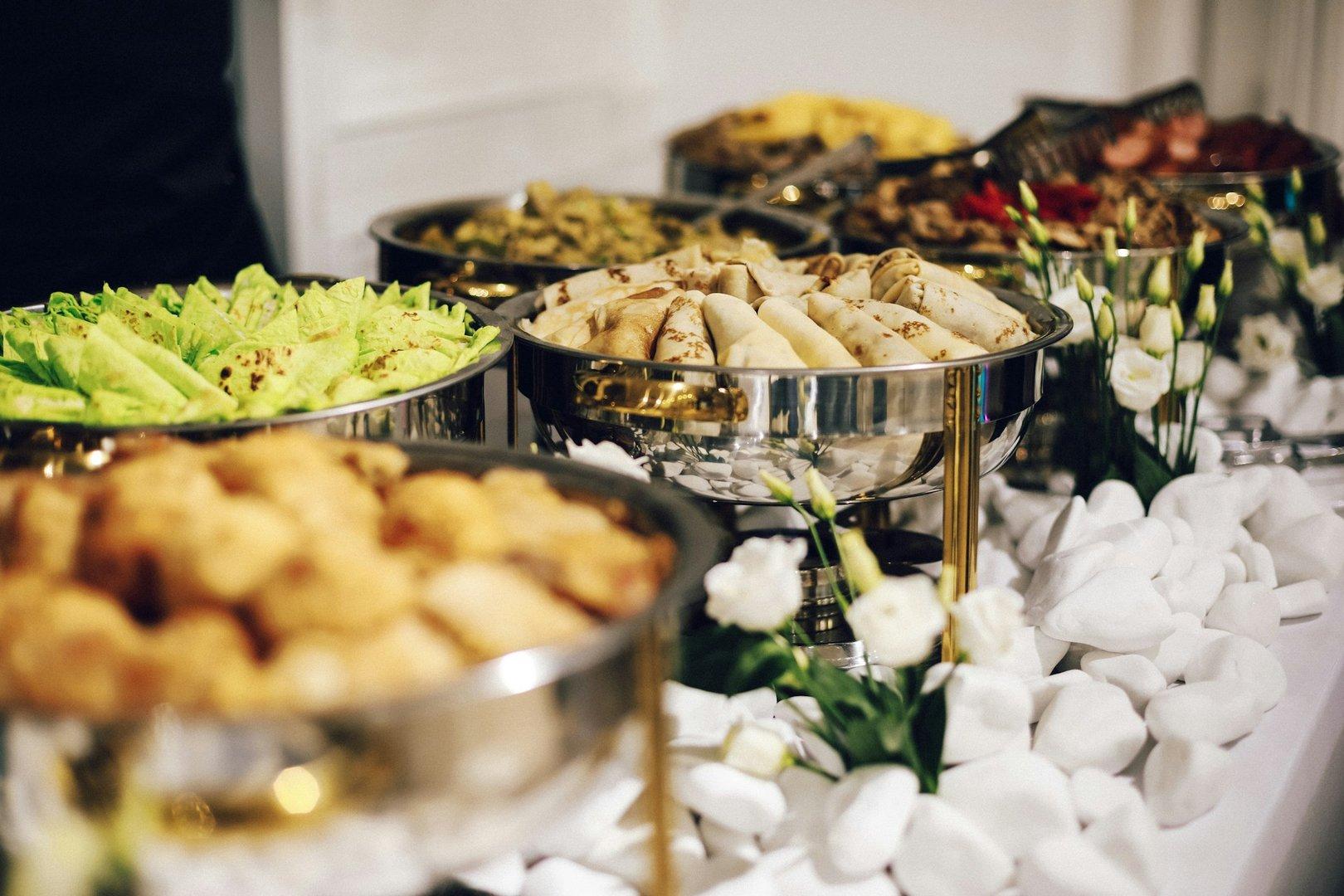
Work with your caterer to create a menu that naturally accommodates common restrictions. A buffet with clear labeling allows guests to self-select safe options. Include at least one vegetarian entree, one seafood-free option, and clear ingredient labeling.
For guests with severe allergies, consider separately plated meals prepared with dedicated equipment. This adds cost but ensures safety. Discuss specific protocols during your tasting—how will they prevent cross-contamination?
Compiling and Organizing Information
For large weddings, compile dietary information into a clear list organized by restriction type. '3 vegetarian, 2 no shellfish, 1 halal, 1 gluten-free' makes kitchen coordination easier. Include names and table numbers for each guest.
Digital RSVP systems that export to spreadsheets make this compilation automatic. If using paper RSVPs, create a dedicated column in your master spreadsheet for dietary notes and update it as responses arrive.
Day-of Service and Delivery
Collecting information is only half the battle. Ensuring correct meals reach the right guests requires careful coordination on the day.
Place Card Marking Systems
For seated dinners, use place cards that subtly indicate special meals. A small icon or colored dot lets servers know which guests receive alternative dishes without drawing unnecessary attention to their dietary needs.
Common systems include small stickers (green dot for vegetarian, blue for gluten-free) placed on the back of place cards where servers can see them. Alternatively, some couples use subtle design variations—a different border color or small icon in the corner.
Buffet Labeling Best Practices
For buffet service, clear labeling is essential. Include cards identifying each dish and noting common allergens: 'Kare-kare (contains peanuts)' or 'Vegetable Pancit (vegan, gluten-free).' This lets guests make informed choices without flagging down servers.
Consider having a separate area for special diet options, especially for guests with allergies who need to avoid cross-contamination from shared serving utensils. A dedicated vegetarian station or allergen-free dessert area prevents accidental exposure.
Briefing Service Staff
Brief servers on dietary accommodations before the reception. They should know which tables have guests with restrictions, what alternatives are available, and how to handle questions about ingredients.
Designate one server or coordinator as the 'dietary point person' who can handle questions and ensure special meals are delivered correctly. This person should have the master list of dietary needs and table assignments.
Communicating with Guests
Proactive communication reassures guests with dietary restrictions that their needs will be met, reducing anxiety and pre-event questions.
Website Information
Add a note on your wedding website explaining how you'll handle dietary restrictions. 'We're working with our caterer to accommodate dietary needs—please let us know in your RSVP and we'll make sure you're taken care of' reassures guests with restrictions.
If you're offering specific accommodations (vegetarian options at every station, halal meat available, dedicated allergen-free prep), mention this on your site. Guests will appreciate knowing in advance that their needs are anticipated.
Confirmation and Follow-Up
After receiving dietary information, send a brief confirmation: 'Thanks for letting us know about your nut allergy—we've noted this and our caterer will prepare a safe meal for you.' This small gesture shows you've taken their needs seriously.
For complex restrictions (multiple allergies, strict religious requirements), consider a follow-up call to clarify details. This personal touch builds confidence that their needs will be met appropriately.
Day-of Communication
At the reception, ensure guests with dietary restrictions can easily identify safe options. For buffets, have a server available to walk them through options. For seated dinners, servers should proactively confirm: 'I have your vegetarian entree here.'
If a guest has concerns about ingredients or preparation, have your caterer or coordinator available to answer questions. Quick, confident responses reassure guests and prevent them from worrying throughout the meal.
Special Considerations for Australian Weddings
Australian wedding cuisine and traditions create unique considerations for managing dietary restrictions.
Traditional Dishes and Common Allergens
Many traditional Australian wedding dishes contain common allergens. Kare-kare features peanut sauce; many dishes use bagoong (fermented shrimp paste); lechon and other pork dishes are central to celebrations. Understanding your menu's allergen profile helps you advise guests and prepare alternatives.
Work with your caterer to identify allergens in each dish and create suitable alternatives. A guest who can't have peanuts shouldn't miss out on kare-kare flavors entirely—perhaps a version with alternative nut butter or a different sauce altogether.
Multi-Event Coordination
Australian weddings often include multiple food events: prenuptial dinners, ceremony refreshments, reception, and possibly a late-night meal. Dietary accommodations should extend to all events, not just the main reception.
Communicate dietary needs to all food providers. If different caterers handle different events, share your master list with each. A guest's nut allergy doesn't disappear between the ceremony and reception.
Family Style Service Considerations
Family-style service, common in Australian celebrations, poses challenges for dietary restrictions. Shared platters risk cross-contamination, and guests may not know which dishes are safe for them.
For guests with allergies, consider providing individual portions of safe dishes rather than expecting them to navigate shared platters. This adds slight complexity but ensures their safety and comfort.
Managing dietary restrictions is an act of hospitality—ensuring every guest feels welcome and cared for at your celebration. A simple RSVP question, clear communication with your caterer, and thoughtful day-of execution transform potential problems into seamless experiences.
Remember that guests with dietary restrictions often feel anxious about wedding food situations. They've likely experienced events where their needs were forgotten or handled poorly. Your attention to detail makes them feel valued and included.
Start early, communicate clearly, and work closely with your caterer. With proper planning, dietary accommodations become just another detail of your wedding—handled smoothly and contributing to a celebration where everyone can eat, drink, and be merry together.