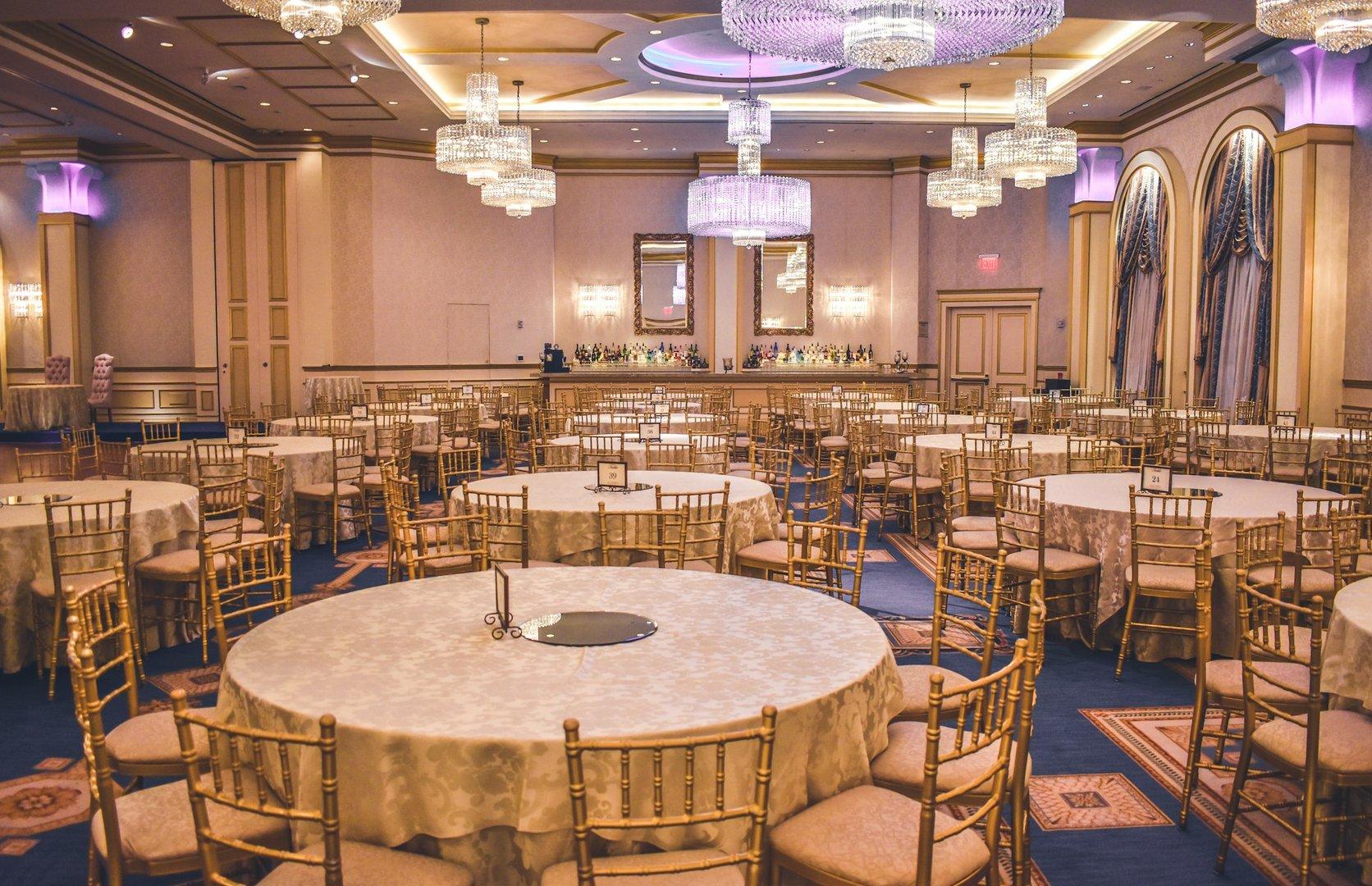
Hotel weddings have earned a reputation for being expensive, but the all-inclusive convenience often makes them surprisingly cost-effective. When you factor in everything that independent venues charge separately—from chairs to coordination—hotels frequently deliver comparable or better value.
Understanding what hotel packages actually include, where hidden costs lurk, and how to evaluate value helps couples make informed decisions. This comprehensive guide breaks down the true costs and benefits of hotel weddings in Australia.
What Hotel Wedding Packages Actually Include
Hotel wedding packages bundle multiple elements that independent venues bill separately. Understanding exactly what's included helps you compare apples to apples when evaluating options.
Venue and Basic Setup
The package typically includes venue rental, tables, chairs, linens, basic centerpieces, and standard table settings. Hotel ballrooms come equipped with built-in sound systems, lighting rigs, and projection capabilities that garden or independent venues lack.
Climate control is guaranteed—air conditioning works reliably, and you never worry about weather. This alone can justify premium pricing for couples who've attended sweltering outdoor weddings.
Catering and Beverage Services
Food and beverage form the core of hotel packages, typically priced per head with multiple menu tiers. Hotel catering includes service staff, table clearing, and often unlimited beverages during the reception. The per-head rate looks high until you realize it includes everything from appetizers to coffee service.
Most packages include a tasting session for the couple, allowing you to sample menu options before finalizing selections. Some hotels offer menu customization—adding an Australian dish to an otherwise Western menu, accommodating dietary restrictions, or creating fusion options.
Coordination and Event Management
Hotel banquet teams have executed hundreds of weddings and bring expertise that's difficult to replicate. They handle setup, breakdown, vendor load-in coordination, and day-of logistics. This built-in coordination can save you P50,000-150,000 in independent wedding coordinator fees.
The hotel event manager serves as your single point of contact, coordinating between kitchen, banquet, and engineering departments. This streamlined communication reduces the chance of miscommunication that plagues weddings with multiple independent vendors.
The Accommodation Advantage
Guest accommodation represents a significant value-add for hotel weddings, particularly when you have out-of-town relatives or international guests. This convenience factor often tips the scales toward hotel venues.
Complimentary Nights for the Couple
Most hotel packages include one or two complimentary room nights for the couple—typically the wedding night and sometimes the night before. At luxury hotels, this represents P15,000-40,000 in value. Some packages include upgrades to suites or honeymoon accommodations.
Getting ready at the hotel simplifies wedding day logistics enormously. The bridal party preps upstairs while the ballroom is being set up downstairs. No traffic concerns, no travel stress, and easy access to the venue throughout the day.
Discounted Room Blocks for Guests
Hotels offer discounted room blocks for wedding guests, typically 15-30% off rack rates. For weddings with significant out-of-town attendance, these savings add up. Guests appreciate the convenience of sleeping steps from the reception—no designated drivers needed.
Coordinate with the hotel on room block logistics: How many rooms must you guarantee? What's the cutoff date for the discounted rate? Can unused rooms be released without penalty? Understanding these terms prevents unexpected charges.
For Destination Weddings Within Australia
If you're hosting a destination wedding at a resort hotel, the accommodation advantage multiplies. Guests make a weekend of the celebration, with resort amenities providing entertainment beyond the wedding itself.
Resort packages often include welcome dinners, morning-after brunches, and group activities that transform a single event into a multi-day celebration. The per-head costs seem high until you realize you're providing an entire weekend experience.
Logistics and Infrastructure Benefits
Hotels handle logistics that independent venues leave entirely to you. This operational infrastructure is easy to overlook when comparing venue prices but makes an enormous difference in planning stress and execution quality.
Parking and Guest Arrival
Hotel valet parking, covered drop-offs, and adequate parking facilities solve problems that plague garden and independent venues. Guests arrive comfortably regardless of weather, and you never worry about parking capacity or muddy lots.
For weddings in business districts, hotel locations offer taxi and rideshare accessibility that remote venues lack. Guests can easily get home after the reception without designated driver arrangements.
Vendor Load-In and Facilities
Hotels have loading docks, service elevators, and established vendor protocols that smooth setup and breakdown. Your florist, photographer, and DJ work in professional conditions with reliable power, climate control, and support staff.
Service areas, prep kitchens, and breakout rooms give vendors space to work efficiently. Compare this to garden venues where vendors may work from their vehicles or cramped back areas.
Reliability and Backup Systems
Hotels have backup generators, redundant audio/visual systems, and engineering staff on-call. If something breaks, someone fixes it immediately. This reliability is particularly valuable for evening weddings when technical issues could derail the reception.
The institutional knowledge of hotel teams means they've seen—and solved—nearly every problem. First-time wedding planners benefit from this experience even if they don't realize how much trouble they're avoiding.
Potential Downsides of Hotel Weddings
Hotel weddings aren't universally superior—legitimate trade-offs exist. Understanding these limitations helps you decide whether hotel constraints work for your vision.
Standardization and Limited Uniqueness
Hotel ballrooms can feel generic, and customization may be limited by hotel policies or union rules. If you envision a completely unique aesthetic with unconventional elements, independent venues offer more flexibility.
Many hotel ballrooms share similar proportions and decor styles. Guests who've attended multiple hotel weddings may experience a sense of sameness. Creative couples can overcome this with distinctive styling, but the baseline canvas is less unique than a garden or heritage venue.
Vendor Restrictions and Corkage Fees
Some hotels require using in-house vendors for catering, cake, or alcohol. Others charge significant corkage fees for outside food and beverage. These restrictions limit choice and can inflate costs if in-house options don't match your preferences.
Ask specifically about outside vendor policies. Can you bring your preferred photographer? Your own cake? Outside alcohol? Understanding restrictions before signing prevents unpleasant surprises.
Time Blocks and Overtime Charges
Hotel packages typically include a defined time block—commonly 4-6 hours for the reception. Overtime charges of P5,000-15,000 per hour can add up quickly if your celebration runs long. Some hotels are inflexible about end times due to noise ordinances or other events.
Discuss realistic timing expectations with your coordinator. If your guest list loves to party late, factor overtime costs into your budget or negotiate extended time blocks upfront.
Evaluating True Value: Hotel vs. Independent Venues
Comparing hotel packages to independent venue costs requires careful accounting. The sticker price tells only part of the story.
Creating True Cost Comparisons
When comparing a hotel at P4,000 per head to an independent venue at P2,500 per head, list everything the hotel includes: venue, catering, service staff, linens, centerpieces, sound system, coordination, complimentary rooms. Then add what the independent venue charges separately for each element.
Many couples discover that independent venues cost similarly—or more—when all components are totaled. The convenience of single-vendor coordination often tips the value comparison toward hotels.
Identifying Hidden Costs
Hotel packages may exclude: VAT (12%), service charges (10-15%), cake cutting fees, corkage for outside alcohol, overtime charges, additional decor beyond basics, enhanced lighting packages, and special audio/visual requirements. Request itemized quotes that include all fees.
Independent venues have their own hidden costs: generator rental for backup power, restroom maintenance, security, parking attendants, and the general overhead of coordinating multiple vendors. Neither option is inherently cheaper—both require careful analysis.
Negotiation Opportunities
Hotels offer the most flexibility during off-peak periods (July-September) and weekday bookings. Ask about upgrades: better menu options at the same price, additional room nights, enhanced decor packages, or extended time blocks.
Multi-event bookings (wedding + rehearsal dinner + day-after brunch) often unlock package discounts. If you're planning multiple events, negotiate them together rather than separately.
Understanding Hotel Tiers in Australia
Australian hotels span from ultra-luxury properties to practical mid-range options. Each tier offers different value propositions for wedding couples.
Luxury Hotels
Top-tier Sydney hotels like Shangri-La, Sofitel, and Peninsula command premiums but deliver impeccable service. Per-head rates of P4,500-7,000 or more buy exceptional cuisine, flawless execution, and prestigious addresses that impress guests. Their event teams handle complex requests with sophistication.
The prestige factor matters for some families—hosting at a recognized luxury brand carries social weight in Australian culture. If family expectations or guest impressions matter, luxury hotels deliver on both.
Mid-Range Options
Mid-range options like Sydney CBD Diamond Residences, Seda hotels, or Holiday Inn offer hotel benefits at more accessible price points. Per-head rates of P2,500-4,000 provide solid value with professional service, if perhaps less refined than luxury properties.
These hotels often provide better value for couples who prioritize substance over brand prestige. The food is good, the service is professional, and the savings can fund enhancements elsewhere in your wedding.
Boutique Hotels and Restaurants
Boutique hotels and restaurant venues offer hotel-like packages with more distinctive settings. Properties like The Henry Hotel or Raffles Sydney CBD provide unique aesthetics while maintaining professional event infrastructure.
These options suit couples who want hotel convenience without ballroom standardization. Guest capacity is often more limited, making them ideal for intimate celebrations of 80-120 guests.
Essential Questions for Hotel Coordinators
Before signing any hotel contract, ensure you understand exactly what you're getting. These questions prevent surprises and enable accurate comparisons.
Questions About Inclusions
What exactly is included in the per-head rate? Get itemized lists. What's the difference between menu tiers? Can we customize menus? Is there a tasting included? How many service staff per table? What table settings are standard versus upgraded?
What venue preparation is included? Basic flowers or just linens? Standard lighting or enhanced options? Is a projector and screen included? What about a dance floor if the ballroom doesn't have one?
Questions About Restrictions
Can we bring outside vendors? Which categories—photography, videography, music, flowers, cake? What are corkage fees for outside food or alcohol? Are there restrictions on decor—candles, confetti, hanging installations?
What are the time block limits? When must music end? What are overtime charges? How flexible is end time if the party's still going? What happens if another event follows yours?
Questions About Logistics
What's the setup and breakdown timeline? When can our vendors access the space? Is there a bridal suite for getting ready? Where will vendors prep and store equipment? What are parking arrangements for vendors versus guests?
What contingencies exist for technical failures? Is there backup audio/visual equipment? Who's the day-of point of contact? How many weddings does the hotel host on a typical Saturday? Will we share facilities with other events?
Hotel weddings offer compelling value when you account for everything included in package pricing—venue, catering, coordination, and accommodation benefits. The convenience of single-vendor management and professional event infrastructure justifies premium pricing for many couples.
Whether a hotel wedding is 'worth it' depends on your specific priorities. Couples who value convenience, reliability, and guest accommodation find hotels ideal. Those seeking unique aesthetics or complete customization may prefer independent venues despite additional coordination complexity.
Whatever you choose, make decisions based on true cost comparisons and clear understanding of what's included. The right venue—hotel or otherwise—is the one that matches both your vision and your budget reality.