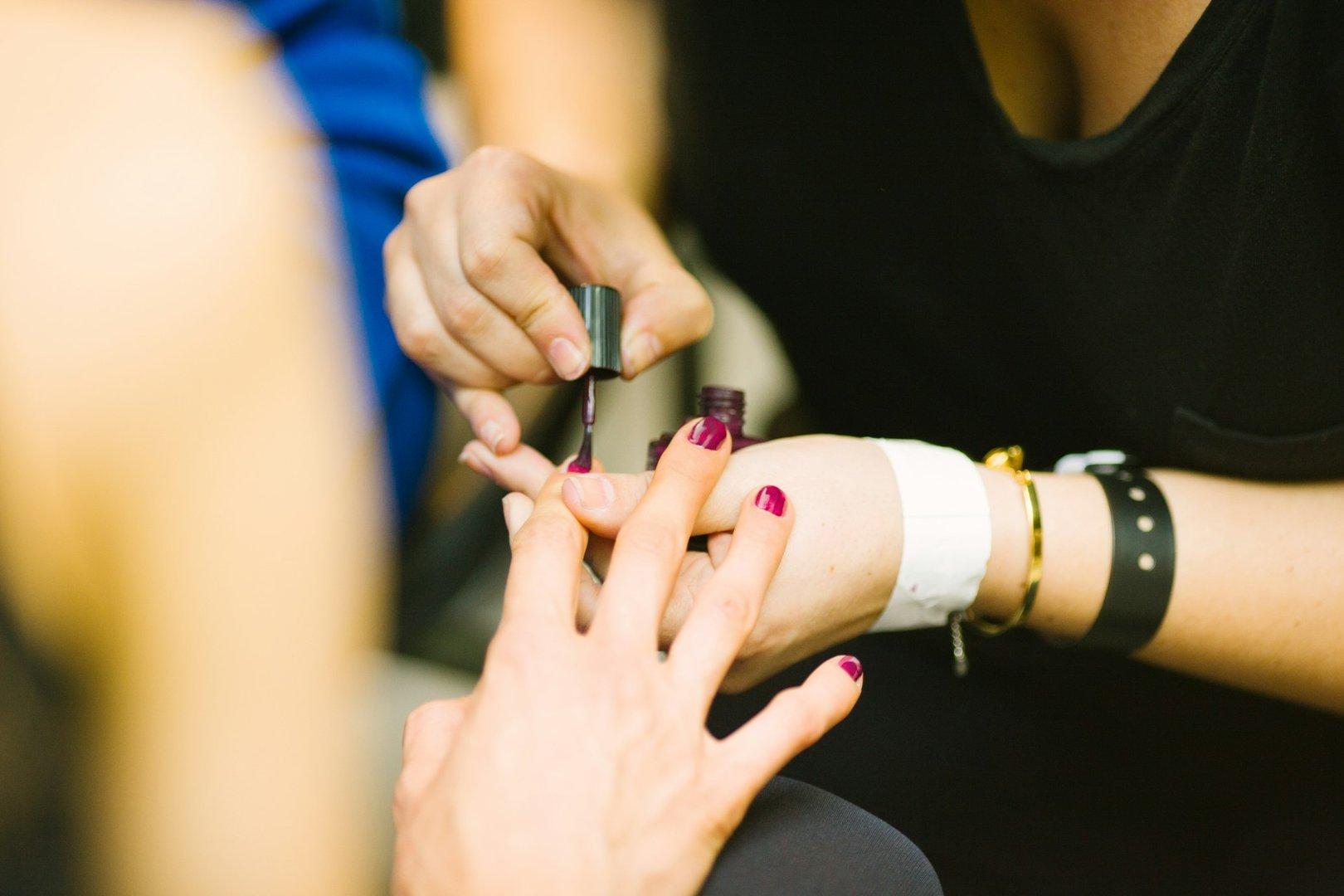
Your bridal beauty look needs to accomplish multiple goals simultaneously: photograph beautifully in various lighting conditions, last through a 12+ hour celebration, suit your personal style and comfort level, and make you feel like the most confident version of yourself. Achieving all four requires thoughtful planning and the right professional team.
Filipina brides face unique considerations when planning their wedding day beauty. The Philippine climate, typical wedding day length, and variety of ceremonies and receptions—from cathedral churches to beach venues—all influence what products and styles will work best. This guide helps you navigate these considerations to create a look you will love in photographs for decades to come.
Finding the Right Beauty Professionals
Your makeup artist and hairstylist are among the most important vendors you will hire. They create the look you will wear in every photograph and see in the mirror as you walk down the aisle.
Researching and Selecting Artists
Begin your search 6-8 months before your wedding, earlier if your date falls during peak wedding season. Popular bridal makeup artists book quickly, and you want time to schedule trials and make adjustments if needed.
Review portfolios carefully, looking specifically at brides with similar skin tones and features to yours. A makeup artist whose portfolio shows stunning work on fair-skinned brides may or may not excel with morena complexions—look for evidence of their skill with your specific characteristics.
Ask for recommendations from recently married friends, your photographer, and your wedding coordinator. These professionals see makeup artists' work in action and know who delivers consistent results.
Check reviews and testimonials, but remember that portfolios show best work while reviews reveal consistency and professionalism. An artist might take stunning photos but be difficult to work with or unreliable on timing.
The Importance of Trial Sessions
Book trial sessions 2-3 months before your wedding. This provides enough time to make adjustments or, if necessary, find alternative artists. Rushing trials too close to your wedding date creates unnecessary stress.
Bring inspiration photos to your trial, but hold them loosely. Your features are unique, and what looks stunning on a celebrity or Instagram influencer may not translate directly to your face. Good artists use inspiration as a starting point, then adapt to your specific characteristics.
Wear a white or cream top to your trial to approximate how makeup will look against your dress. Lighting and contrast affect appearance significantly—testing against white helps evaluate the final effect.
Take photographs after your trial in multiple lighting conditions: natural daylight, flash photography, and indoor lighting. Review these carefully. Makeup that looks perfect in person often appears different in photos—adjustments may be needed.
Communicating Your Vision
Be specific about what you want and equally clear about what you do not want. If you hate heavy contouring or false lashes, say so explicitly. Professionals cannot read minds—clear communication prevents disappointment.
Discuss your wedding day timeline, venues, and activities. A beach ceremony followed by an indoor reception has different requirements than a fully air-conditioned church and ballroom wedding. Your artist needs this information to select appropriate products.
Share your dress style, accessories, and overall wedding aesthetic. Your beauty look should complement your gown and theme, not compete with them. A heavily embellished dress might call for simpler makeup; a minimalist gown might allow for more dramatic beauty choices.
Makeup Considerations for Filipina Brides
Filipina skin tones range from fair to deep morena, each with unique considerations for bridal makeup. Understanding what works for your specific complexion helps you communicate effectively with your artist.
Getting Foundation Right
Foundation matching is crucial. The wrong shade—too light, too dark, or the wrong undertone—creates an obvious disconnect between face and neck in photographs. Your artist should test shades in natural light against your jawline and neck.
Filipina skin often has warm or olive undertones that require careful foundation selection. Foundations formulated for Western markets may pull too pink or orange on Filipino skin. Experienced bridal artists know which brands and shades work for local skin tones.
Coverage level affects the final look significantly. Full coverage foundations create a flawless but sometimes mask-like appearance. Medium coverage with strategic concealing often photographs more naturally while still creating a polished bridal look.
Discuss your skin concerns openly. If you have hyperpigmentation, acne scarring, or other concerns, your artist needs to know to properly address them. There is no need for embarrassment—bridal artists work with all skin conditions regularly.
Humidity and Heat-Proofing
Philippine humidity is makeup's enemy. Without proper preparation and products, even the most beautiful makeup will melt, separate, or slide off within hours. Experienced bridal artists understand this and use products formulated to withstand tropical conditions.
Primer is non-negotiable for Philippine weddings. Quality primer creates a base that helps foundation adhere to skin and resist humidity. Your artist should use primers specifically designed for oily skin or humid conditions.
Setting spray locks everything in place and should be applied liberally throughout the makeup process and as a final step. Multiple thin layers of setting spray perform better than one heavy application.
If your ceremony is outdoors, discuss this specifically with your artist. Outdoor ceremonies in Philippine heat require additional heat-proofing measures—different products and techniques than an air-conditioned church wedding.
Creating a Photogenic Look
Bridal makeup should be slightly heavier than everyday makeup to photograph well. Features that look natural in person can disappear in photos, especially with flash photography. A skilled bridal artist finds the balance—defined enough for cameras, not costume-like in person.
Eye definition is particularly important for photography. Well-defined eyes with proper lash work create the kind of impactful photos brides treasure. Discuss lash options with your artist—strip lashes, individual extensions, or just mascara depending on your comfort level.
Lip color choice affects both photographs and longevity. Long-lasting formulas are essential since you will be greeting guests, eating, and drinking throughout the day. Your artist should recommend formulas that survive these activities while remaining comfortable.
Highlight and contour create dimension that photographs beautifully, but these techniques must be applied skillfully for Filipino skin tones. Overly dramatic contouring can look harsh; subtle enhancement looks best.
Bridal Hair Styling
Your hairstyle should complement your gown, suit your venue, and remain beautiful throughout your celebration. These considerations guide your styling choices.
Choosing Your Bridal Hairstyle
Your gown's neckline significantly influences appropriate hairstyles. High-neck or detailed back designs often call for updos that showcase the dress. Strapless or simple necklines allow more flexibility—updos, half-up styles, or romantic waves can all work.
Consider your ceremony setting. Elaborate updos suit formal cathedral ceremonies while relaxed waves or simpler styles complement beach or garden weddings. Your hairstyle should feel appropriate to the venue and formality level.
Think about your comfort and natural tendencies. If you never wear your hair up and feel uncomfortable with updos, that discomfort will show in photos. Work with your natural preferences while adapting for bridal elegance.
Factor in your veil or headpiece. Some hairstyles support veils better than others. If you are wearing a cathedral-length veil, discuss attachment points and how the style will look both with and without the veil.
Making Your Style Last
Filipino weddings are long—your hairstyle needs to survive 12+ hours including travel between venues, humidity, dancing, and emotional moments. Discuss longevity strategies with your stylist.
Hair preparation begins before your wedding day. Your stylist may recommend specific washing, conditioning, and product routines in the days leading up to your wedding. Following these recommendations improves the hold and finish of your wedding day style.
Secure styles thoroughly. Nothing ruins bridal confidence like a hairstyle that starts falling apart mid-reception. Quality stylists use adequate pins, products, and techniques to ensure styles remain intact through dancing and celebration.
Plan for touch-ups. Even the most secure style may need attention throughout the day. Your emergency kit should include bobby pins, hair spray, and any products your stylist recommends for quick fixes.
Ceremony to Reception Transitions
Some brides choose to change their hairstyle between ceremony and reception—removing a veil and transitioning from a formal updo to softer waves for the party, for example. Discuss this possibility with your stylist and consider the logistics.
If changing styles, your stylist may need to be present for the transition. Factor this into your timeline and budget. Quick changes require a style designed to transform easily—not all updos can transition to down styles gracefully.
Consider whether changing is worth the time and stress. During the already-busy gap between ceremony and reception, adding a hair change means less time for photos, greeting guests, or simply catching your breath. The change should add genuine value to justify the time investment.
Wedding Day Beauty Execution
The morning of your wedding sets the tone for your entire day. Proper planning ensures the beauty portion of your morning runs smoothly and leaves you feeling calm and beautiful.
Planning Your Beauty Timeline
Work backward from your ceremony time to determine when hair and makeup should begin. Bridal makeup typically takes 1.5-2 hours; hair adds another 1-1.5 hours. Factor in buffer time for touch-ups and getting into your dress.
If your bridal party is being done by the same artists, add their time to the schedule. The order typically goes: bridesmaids first, mother of the bride, then the bride herself—ensuring the bride's look is freshest for the ceremony.
Build in breaks. A rushed, frantic morning creates stress that shows in your face and photos. Schedule time for breakfast, bathroom breaks, and simply breathing between beauty activities.
Confirm all timing with your artists the week before the wedding. Ensure everyone knows the location, parking situation, and any building access considerations that might affect arrival time.
Preparing for Your Beauty Session
Start your wedding morning with clean, well-moisturized skin. If your artist has given pre-wedding skincare instructions, follow them. Avoid trying new products in the days before your wedding—the risk of reactions is not worth it.
Eat breakfast before or during your makeup session. Low blood sugar affects how you look and feel. Choose foods that are not messy and will not cause bloating. Stay hydrated but avoid excessive caffeine, which can cause flushed skin.
Wear a button-down shirt that can be removed without disturbing hair or makeup. Pulling a shirt over your head risks ruining the work your artists have completed.
Have your inspiration photos accessible along with any specific products you want used—your lipstick choice, for example, if you are particular about shades. Clear communication on the day prevents last-minute confusion.
Creating Your Touch-Up Kit
Assemble a beauty emergency kit to carry throughout your wedding day. Essential items include: blotting papers for shine control, your lipstick or lip color for reapplication, bobby pins matching your hair color, travel-size setting spray, tissues, and a small mirror.
Designate a trusted bridesmaid to carry and manage your kit. Brief her on what is in it and when you might need touch-ups. Having someone ready to help means you can enjoy your celebration without worrying about your appearance.
Include items specific to your concerns. If your eyes tend to water, add eye drops and cotton swabs. If your dress has a tendency to crease, include a travel steamer or wrinkle-release spray.
Keep the kit nearby but not too accessible. If you are constantly checking and touching up, you will not be present for your celebration. Trust your look and touch up only when genuinely needed—usually just before major photo sessions.
Pre-Wedding Skincare
Beautiful bridal makeup starts with healthy, well-prepared skin. The weeks leading up to your wedding are crucial for ensuring your skin is in its best possible condition.
Building a Pre-Wedding Skincare Routine
Begin your pre-wedding skincare routine 3-6 months before your wedding. This gives time for products to work, for any adjustments needed, and for skin to stabilize before your big day.
If you want to try new treatments—facials, peels, or procedures—do so well in advance. New treatments can cause temporary breakouts, redness, or sensitivity. Give your skin time to recover and stabilize.
Consistency matters more than complexity. A simple routine followed religiously often produces better results than an elaborate routine followed sporadically. Focus on the basics: cleanse, moisturize, protect with sunscreen.
In the final weeks before your wedding, avoid introducing anything new. Stick with products you know work for your skin. The risk of negative reactions is not worth potential benefits.
Professional Facial Treatments
Professional facials can boost your skin's appearance, but timing is critical. Schedule your last facial at least one week before your wedding—preferably two—to allow any extractions or treatments to heal completely.
Discuss your timeline with your aesthetician. They can plan a series of treatments building toward your wedding, with the final session timed appropriately for your skin to look its best on the day.
Be conservative with aggressive treatments close to your wedding. While chemical peels and microdermabrasion can produce beautiful results, they also carry risks of sensitivity and peeling. These are best done earlier in your preparation.
Addressing Common Skin Concerns
If you struggle with acne, work with a dermatologist well before your wedding. Prescription treatments take time to work, and your doctor can create a plan timed to have your skin clearest on your wedding day.
Hyperpigmentation and dark spots can be addressed with consistent use of vitamin C serums, niacinamide, and sunscreen. Start months early—these concerns take time to fade.
For dry or dehydrated skin, focus on hydration from inside (water intake) and outside (moisturizers and hydrating serums). Hydrated skin provides a smoother canvas for makeup application.
Trusting Your Beauty Team
You hired professionals for their expertise. Learning to trust their judgment while maintaining your vision creates the best collaborative outcome.
Listening to Expert Recommendations
Your makeup artist and hairstylist work with brides regularly and see what photographs well, what lasts through long celebrations, and what works in Philippine conditions. Their experience is valuable—consider their input seriously.
If your artist suggests adjustments to your vision, ask why. Understanding their reasoning helps you make informed decisions. They may see things about your features or their experience with similar weddings that influence their recommendations.
Balance your vision with their expertise. If something is very important to you, express that clearly. But if you are uncertain, leaning on professional judgment often produces better results than insisting on exact replication of an inspiration photo.
Making Final Decisions
Ultimately, you are the bride, and your comfort and happiness matter most. If something feels wrong—too heavy, not enough, not you—speak up. Good professionals want you to feel beautiful and will work with you to achieve that.
Trust your trial experience. If you were happy with your trial look, trust that your artist will recreate it on your wedding day. Avoid making last-minute changes based on nerves or others' opinions.
Once you are in your look on your wedding day, commit to it. Constant mirror-checking and second-guessing creates anxiety that shows in your face and presence. Trust the process, trust your team, and trust yourself.
Your bridal beauty look is a crucial element of your wedding day experience. With thoughtful planning, the right professional team, and clear communication, you can achieve a look that photographs beautifully, lasts through your celebration, and most importantly, makes you feel like the most beautiful version of yourself.
Remember that trends come and go, but your wedding photos last forever. Choose a look that feels authentically you rather than chasing current trends you may not love in ten years. The goal is to look back at your photos and see yourself—radiant, confident, and joyful on one of the best days of your life.
Trust the process, trust your professionals, and on your wedding day, release any remaining concerns about your appearance. You have done the preparation; now it is time to simply enjoy being a bride.