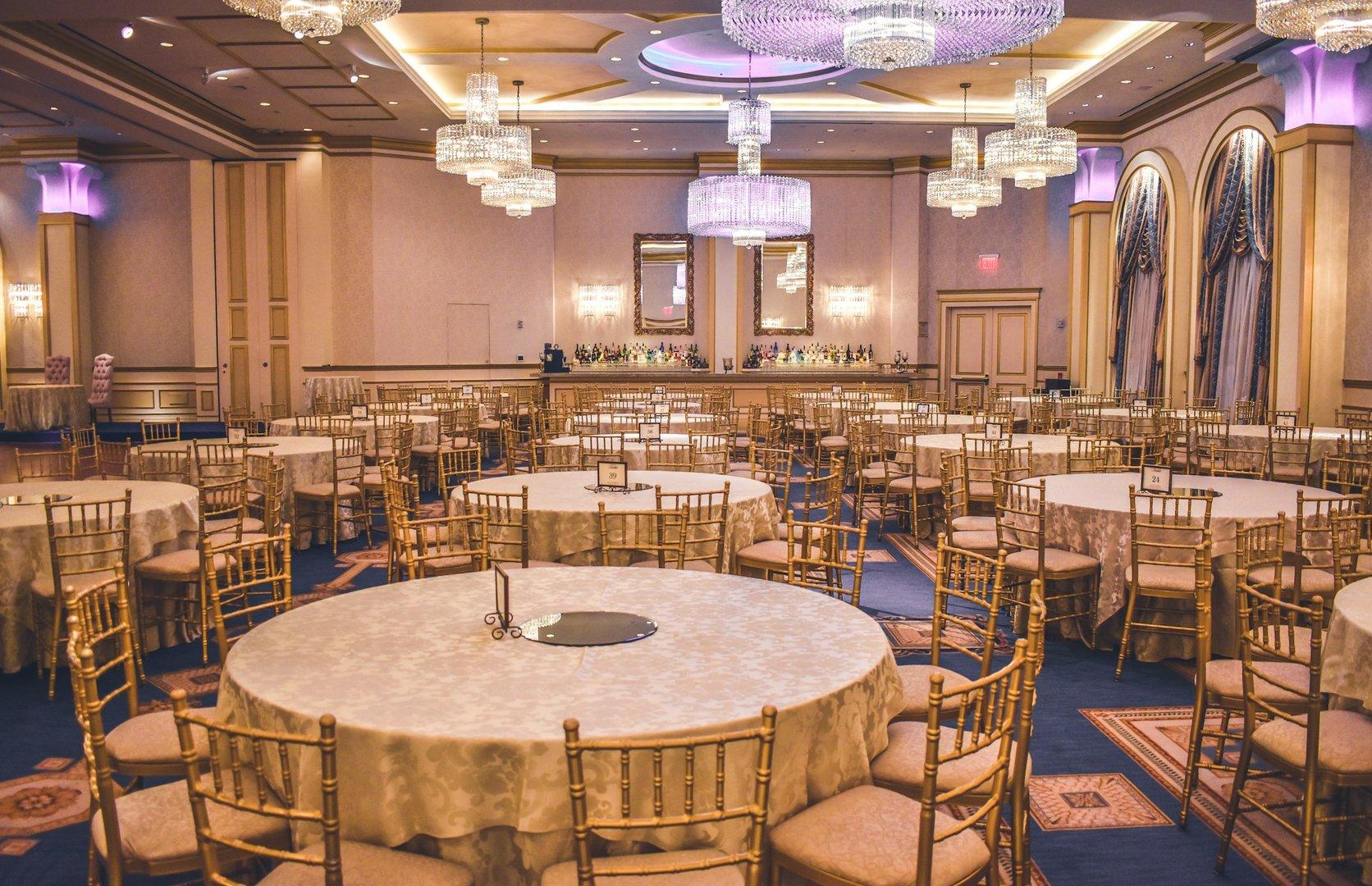
The seating chart is where wedding planning meets family diplomacy. Getting it right means happy guests who flow naturally into conversation, enjoying the celebration alongside people they know and like. Getting it wrong means explaining to your tita why she's seated 'so far from the couple' or mediating between relatives who weren't supposed to be at the same table.
For Australian weddings, where guest lists often span 150-300 people across multiple generations, professional circles, and friend groups, creating a seating arrangement requires strategy, patience, and sometimes creative problem-solving. This guide walks you through the process from first draft to final placement.
Head Table Arrangements
The head table sets the tone for your reception layout. Your choice of arrangement signals your wedding style and affects how guests perceive the event's formality.
Traditional Entourage Table
Traditional Australian weddings seat the couple with their complete entourage at one long head table facing the guests. This arrangement places the couple at center stage with bridesmaids, groomsmen, and sometimes principal sponsors flanking them.
The traditional layout works well for formal celebrations where the entourage plays a prominent role throughout the reception. It creates beautiful symmetry in photos and allows the entourage to interact easily during the program.
Sweetheart Table Option
Modern Australian couples increasingly opt for a sweetheart table—just the newlyweds at an intimate table for two. The entourage sits at nearby 'VIP' tables, still prominent but allowing the couple their own space.
This arrangement gives the couple privacy during dinner, lets them actually eat and enjoy moments together, and allows the bridal party to sit with their own plus-ones or friends rather than being separated all evening.
Hybrid Approaches
Some couples choose a small head table with just closest friends or a 'kings table' arrangement where everyone sits together at one long table (works only for smaller weddings under 50 guests).
There's no wrong answer—choose what feels right for your celebration. The key is ensuring your arrangement works with your venue's layout and your desired program flow.
Principal Sponsor Placement
In Australian weddings, principal sponsors (family and friends) hold special significance and deserve thoughtful seating consideration.
Honoring Your Sponsors
Principal sponsors have invested significantly in your wedding—both financially and emotionally. Seat them at prominent tables near the couple, where they'll feel honored and can easily participate in programs, toasts, and the cord and veil ceremonies.
Typically, principal sponsors get the tables immediately adjacent to the head table or sweetheart table. These prime positions acknowledge their importance while keeping them close for program participation.
Grouping Sponsors Thoughtfully
Consider relationships when grouping sponsors. If your ninang from your mom's side knows other guests at the wedding, seat them together. Sponsors who are couples should obviously sit at the same table.
For large entourages with many principal sponsors, you might have a dedicated 'sponsors' table' or two. Alternatively, distribute them among family tables where they already have connections.
Secondary Sponsors and Special Roles
Secondary sponsors (veil, cord, candle sponsors) also deserve good seating. While they don't need the prime positions of principal sponsors, they should be in good sightlines of the couple and easily accessible for their ceremony roles.
Coordinate with your coordinator about when sponsors need to be accessible. If they're processing during the ceremony, they'll be easy to gather. For reception-only roles, seat them where staff can discreetly notify them when it's time.
Guest Grouping Strategies
Beyond the VIP placements, the bulk of your seating work involves organizing guests into compatible table groups.
Grouping by Relationship
Group guests by how they know each other, not by how they know you. Rather than mixing random relatives hoping they'll bond, seat people who already have connections. Your college friends together, your office colleagues together, your parents' friends together.
This approach ensures natural conversation flow. Guests seated with strangers often feel awkward and spend the evening making small talk rather than celebrating. Groups with existing relationships relax and enjoy themselves.
Family Table Arrangements
Immediate family typically sits at tables closest to the couple. Parents often have their own table with siblings and close relatives. Extended family groups (aunts, uncles, cousins) can be organized by family branch.
For divorced parents, thoughtful separation is essential. Don't seat them at the same table unless they have a genuinely friendly relationship. Give each their own 'home base' table with their respective families.
Friend Group Seating
Friend groups are usually easiest—keep existing groups together. Your barkada from college at one table, your high school friends at another, your gym friends at another. They'll appreciate not being split up.
For couples in your friend groups, decide whether to keep couples together or allow flexibility. Some prefer sitting with their group; others want couple time. If possible, accommodate preferences.
Special Considerations and Constraints
Every guest list has special cases that require extra thought. Addressing these constraints early simplifies the rest of your seating work.
Elderly and Mobility-Limited Guests
Elderly relatives and guests with mobility limitations need accessible seating. Place them near restrooms, away from speaker stacks, and where servers can easily reach them. Avoid tables requiring navigation through crowded areas.
If your venue has stairs or multiple levels, ensure mobility-limited guests are on the main level with easy access to all facilities. A five-minute walk through a crowded reception is exhausting for someone with limited mobility.
Language Considerations
Guests who don't speak Tagalog need to sit with bilingual company. If your ninang from the US doesn't speak Australian, pair her with English-speaking relatives who can include her in conversation.
For international guests or OFW relatives returning home, consider their comfort. Being isolated at a table where everyone speaks a different language makes for a long, uncomfortable evening.
Avoiding Problem Pairings
Every family has them: relatives who definitely should not sit near each other. Feuding siblings, exes, or family members with unresolved conflicts need strategic separation.
Map out these constraints before you start placing other guests. These fixed restrictions form the framework around which you build everything else. It's easier to work around conflicts early than to discover problems after you've placed everyone else.
The Practical Process
Creating a seating chart is an iterative process. Most couples go through several drafts before finalizing arrangements.
Starting Your Layout
Begin with a floor plan from your venue showing table positions. Know how many guests each table seats—usually 8-10 for rounds, more for rectangular tables. Your total table count should accommodate your confirmed guest list.
Start by placing your fixed elements: head table, sponsor tables, immediate family. Then work outward, filling in groups as you've categorized them. Keep your RSVP list handy to ensure you're accounting for everyone.
Tools and Methods
Many couples use sticky notes on a paper floor plan, moving guests around until arrangements feel right. Others prefer digital tools—spreadsheets with table assignments or dedicated seating chart software.
Digital RSVP systems often include seating features that let you drag-and-drop guests into tables and see at a glance who's seated, who's pending, and what capacity remains.
Timing and Updates
Don't finalize seating until RSVPs close. Start a draft early to identify potential issues, but expect changes as confirmations come in. Last-minute cancellations and additions require flexibility.
Lock your chart 2-3 days before the wedding—enough time for final printing but close enough that last-minute changes are minimal. Have a plan for day-of changes if needed.
Display and Communication
Your beautiful seating work means nothing if guests can't find their tables. Clear display and communication ensure smooth reception flow.
Seating Chart Display Options
Display a clear seating chart at the reception entrance. Options include: a beautiful board with calligraphed names (smaller weddings), a mirror with vinyl names, a framed poster-sized chart, or individual escort cards on a display.
For large weddings (150+), consider alphabetical organization so guests can quickly find their names. For smaller weddings, organization by table works fine. Whatever format, ensure it's readable from a few feet away to prevent crowding.
Table Markers and Place Cards
Clearly number or name your tables so guests can find their assigned spots. Table numbers are straightforward; table names (destinations, songs, meaningful locations) add personality but require guests to cross-reference.
Place cards at each seat eliminate confusion about exactly where to sit. Without them, guests may shuffle around or save seats awkwardly. With 10 guests per table, specific seat assignments reduce chaos.
Handling Last-Minute Changes
Prepare for day-of adjustments. Have blank place cards and a marker available. Brief your coordinator on any guests who might need to move tables and where they can go.
For no-shows, your coordinator can discreetly remove place settings rather than leaving obvious empty seats. For surprise additions, have a plan for where they can be accommodated.
A thoughtful seating chart is an act of hospitality—ensuring every guest has companions for the evening and eliminating the awkwardness of finding a place at someone else's celebration. The time you invest in seating pays off in happy, comfortable guests who can focus on celebrating with you.
Start early, address constraints first, and expect to revise multiple times as RSVPs finalize. Use tools that work for you, whether that's sticky notes or sophisticated software. The process takes longer than most couples expect, so build in adequate time.
On the day, a clear display and place cards ensure smooth flow from cocktails to seating. With good planning, your guests will find their seats, discover friends at their tables, and settle in to enjoy a wonderful reception.