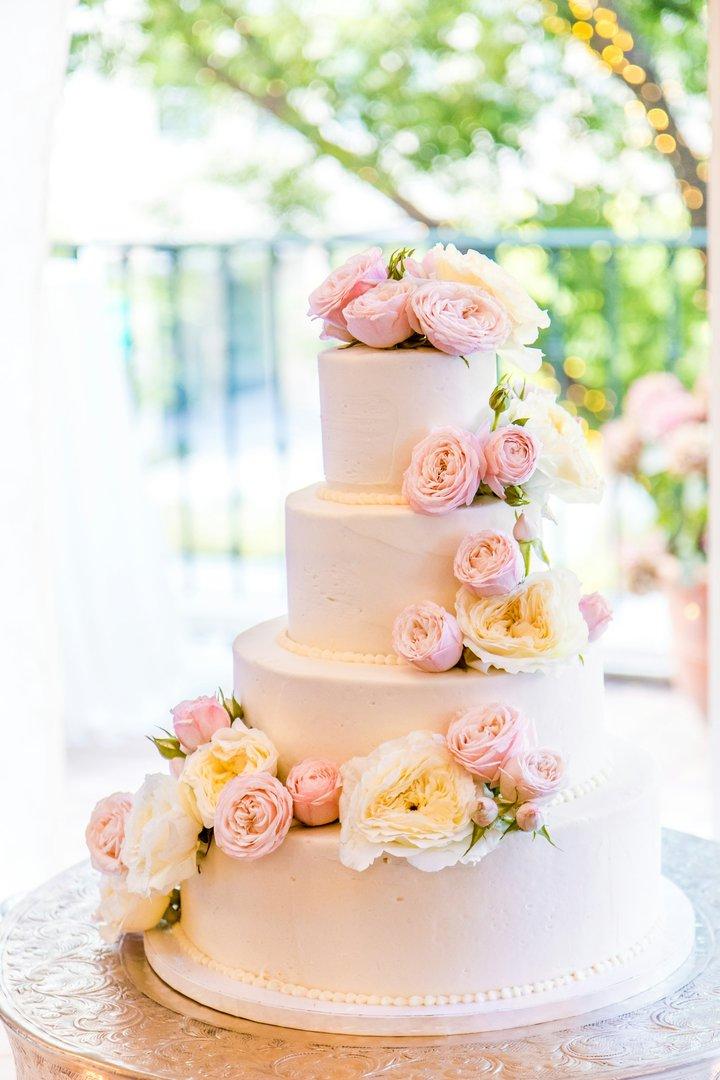
The wedding cake has evolved from a simple confection to a statement piece that reflects a couple's personality, style, and even cultural identity. In the Philippines, where celebrations blend Western traditions with local flair, wedding cakes have become canvases for creativity—ranging from classic tiered elegance to bold Filipino-inspired flavors that surprise and delight guests.
Choosing the right wedding cake involves more than picking a pretty design from Pinterest. You'll need to consider your venue's climate, your guest count, your budget, and how the cake fits into your overall reception aesthetic. This comprehensive guide explores current trends in Philippine wedding cakes and provides practical advice for making this sweet decision.
Current Wedding Cake Trends in the Philippines
The Philippine wedding industry has embraced global cake trends while adding unique local interpretations. Understanding these trends helps you communicate effectively with bakers and find inspiration that resonates with your vision.
Naked and Semi-Naked Cakes
Naked cakes—with exposed layers and minimal frosting—continue to dominate rustic and garden wedding aesthetics. These cakes showcase the beauty of simple buttercream between visible cake layers, often adorned with fresh flowers, berries, or greenery. They photograph beautifully against natural backdrops and feel approachable rather than intimidating.
Semi-naked cakes offer a middle ground, with a thin scrape of frosting that allows the cake layers to peek through. This style provides slightly more structure and sweetness while maintaining that effortlessly elegant look. Both options typically cost less than fully frosted or fondant-covered alternatives, making them budget-friendly without sacrificing style.
Textured Buttercream Designs
Buttercream has made a major comeback, with bakers showcasing artistic texturing techniques. Palette knife strokes create painterly effects, while ruffled buttercream adds romantic dimension. Ombre techniques blend colors smoothly from tier to tier, and watercolor effects achieve soft, dreamy aesthetics.
These textured designs feel more personal and handcrafted than the flawlessly smooth fondant cakes that dominated the 2010s. They also taste better to most palates—buttercream is simply more delicious than fondant covering, and Filipino guests appreciate substance over mere appearance.
Geometric and Modern Designs
For couples with contemporary tastes, geometric cakes feature clean lines, sharp angles, and asymmetrical tiers. Hexagonal shapes, fault-line designs (with intentional 'cracks' revealing layers beneath), and architectural stacking create dramatic visual impact.
These modern designs pair beautifully with minimalist weddings and industrial venue aesthetics. They photograph stunningly and make bold statements without relying on excessive decoration. Gold or metallic accents often complement geometric designs, adding luxury without fussiness.
Filipino-Inspired Flavors and Designs
Perhaps the most exciting development in Philippine wedding cakes is the embrace of local flavors. Couples are proudly featuring Filipino tastes that surprise and delight guests while celebrating cultural heritage.
Ube: The Purple Powerhouse
Ube (purple yam) has transcended trend status to become a beloved wedding cake flavor. Its subtle sweetness, striking purple color, and distinctly Filipino identity make it a meaningful choice for couples honoring their heritage. Ube pairs beautifully with white chocolate, coconut, and macapuno for layered flavor experiences.
Visually, ube's natural purple hue creates stunning gradient effects and allows for creative presentations without artificial coloring. Some couples feature ube as a surprise inside flavor beneath white frosting, creating memorable moments when guests cut into their slices.
Other Local Flavor Inspirations
Buko pandan brings tropical freshness with its coconut and pandan combination—familiar from childhood desserts and transformed into elegant wedding tiers. Mango cakes celebrate Philippine mangoes' world-renowned sweetness, particularly stunning during summer wedding season when the fruit is at its peak.
Sans rival, the beloved Filipino layered meringue cake with cashews and buttercream, translates beautifully into wedding tier format. Brazo de mercedes, leche flan, and even bibingka have inspired creative bakers to reimagine traditional treats for wedding celebrations.
Fusion and Multi-Flavor Approaches
Many couples opt for different flavors per tier, allowing guests to experience variety. A common approach: chocolate for guests who prefer rich flavors, vanilla or white cake for traditionalists, and a Filipino flavor like ube or buko pandan to honor local tastes.
This multi-flavor strategy also solves the age-old debate between partners with different preferences. Your cake can literally have something for everyone, making the dessert course a more inclusive celebration.
Practical Considerations for Philippine Weddings
Beautiful design means nothing if your cake melts before the cutting ceremony. Philippine weather and venue conditions require careful planning to ensure your cake looks as good at 9 PM as it did when it was delivered.
Climate and Temperature Challenges
Philippine heat and humidity are significant factors in cake selection. Buttercream begins to soften above 25 degrees Celsius, and in outdoor venues or non-air-conditioned spaces, a beautiful cake can become a melted disaster within hours.
Fondant handles heat better than buttercream, making it the safer choice for outdoor ceremonies and venues with unreliable air conditioning. Swiss meringue buttercream is more heat-stable than American buttercream, so discuss options with your baker if you're set on a buttercream finish.
Strategic timing helps too. Have your cake delivered as close to display time as possible, position it away from direct sunlight or heat sources, and consider moving it to a cooler area after photos but before the cutting ceremony.
Sizing and Serving Calculations
Wedding cake servings are typically smaller than you'd cut at home—approximately 2.5 centimeters by 5 centimeters per slice. A three-tier cake (15cm, 20cm, 25cm tiers) typically serves 80-100 guests, depending on tier height.
However, not all guests eat cake. Many Filipino weddings feature extensive dessert buffets, so actual cake consumption may be lower than headcount suggests. Discuss realistic expectations with your baker to avoid ordering—and paying for—more cake than you need.
Budget Planning and Cost Factors
Wedding cake pricing in the Philippines ranges dramatically: from P5,000-8,000 for simple two-tier designs from home bakers to P30,000-50,000 or more for elaborate creations from renowned cake artists. Factors affecting price include tier count, complexity of design, premium ingredients, and baker reputation.
Sugar flowers cost significantly more than fresh flowers. Intricate hand-piped details require hours of skilled labor. Imported ingredients like premium chocolate or specialty flavorings add to base costs. Understanding these factors helps you prioritize what matters most for your budget.
Alternative Dessert Display Options
The traditional single centerpiece cake is just one approach. Many Filipino couples are exploring alternatives that offer variety, cost savings, or simply better alignment with their celebration style.
Dessert Tables and Sweet Stations
Dessert tables have exploded in popularity, featuring curated collections of treats alongside a smaller focal cake. This approach allows couples to include favorite Filipino desserts—leche flan, buko salad, ube halaya, cassava cake—alongside Western options like macarons, brownies, and cheesecake bars.
The visual impact of a well-styled dessert table often exceeds that of a single cake, and guests appreciate the variety. For couples with diverse guest lists, this approach ensures everyone finds something they love.
Cupcake Towers and Individual Portions
Cupcake towers topped with a small cutting cake offer practical advantages: no slicing service needed, easier portion control, and the ability to offer multiple flavors. They're particularly practical for outdoor weddings where heat concerns make large buttercream cakes risky.
Individual portions like cake pops, cake jars, or mini tarts provide similar benefits with more creative presentation options. These can double as favors, giving guests a sweet treat to take home.
The Cutting Cake Strategy
Many couples invest in a beautiful but small display cake for photos and the cutting ceremony, while sheet cakes in the kitchen actually feed the guests. This strategy dramatically reduces cost—sheet cakes are far cheaper per serving—while preserving the ceremonial moment and photo opportunities.
This approach is particularly sensible for large weddings (150+ guests) where a proportionally-sized display cake would be prohibitively expensive. Most guests never notice the switch, and those who do appreciate the practical wisdom.
Working with Your Wedding Cake Baker
Finding the right baker and communicating effectively ensures your cake vision becomes reality. The process should begin months before your wedding date.
Finding and Selecting a Baker
Start your search 6-9 months before your wedding. Popular bakers book up quickly, especially during peak wedding season (December-February). Ask for recommendations from your venue, coordinator, or recently married friends whose cake you admired.
Review portfolios for consistent quality and styles that match your vision. Look beyond highlight photos—ask to see full wedding setups to understand how their cakes look in real conditions. Read reviews focusing on reliability, communication, and how the cake actually tasted.
The Tasting and Consultation Process
Cake tastings let you sample flavors and experience the baker's work firsthand. Bring your partner and perhaps one trusted opinion (not a crowd). Take notes on what you both prefer—it's easy to forget specifics after tasting six different flavors.
Come prepared with inspiration images, your color palette, and venue details. The more information your baker has, the better they can advise on what will work. Be open to their professional suggestions—they know how designs translate to reality and what survives Philippine conditions.
Logistics and Delivery Day
Confirm delivery timing, setup requirements, and who the baker should coordinate with at your venue. Ensure the display table is ready, positioned in a climate-controlled area away from direct sunlight. Provide backup contact numbers in case of any issues.
Some bakers set up the cake themselves; others deliver it assembled. Understand what's included to avoid day-of confusion. If fresh flowers will adorn the cake, coordinate between your baker and florist on timing and flower preparation.
Your wedding cake is one of the most photographed elements of your reception and serves as a sweet centerpiece to your celebration. Whether you choose a trending naked design, embrace Filipino flavors like ube or buko pandan, or opt for classic tiered elegance, the right cake reflects your personality and creates a memorable moment for you and your guests.
Take time to research, taste, and communicate with your baker. Consider practical factors like climate and serving needs alongside aesthetic preferences. And remember—while the cake matters, it's ultimately just one sweet element of a day filled with love and celebration.
The best wedding cake is one that you love, your guests enjoy, and that survives the Philippine climate long enough to be cut, photographed, and savored. Everything else is just frosting.