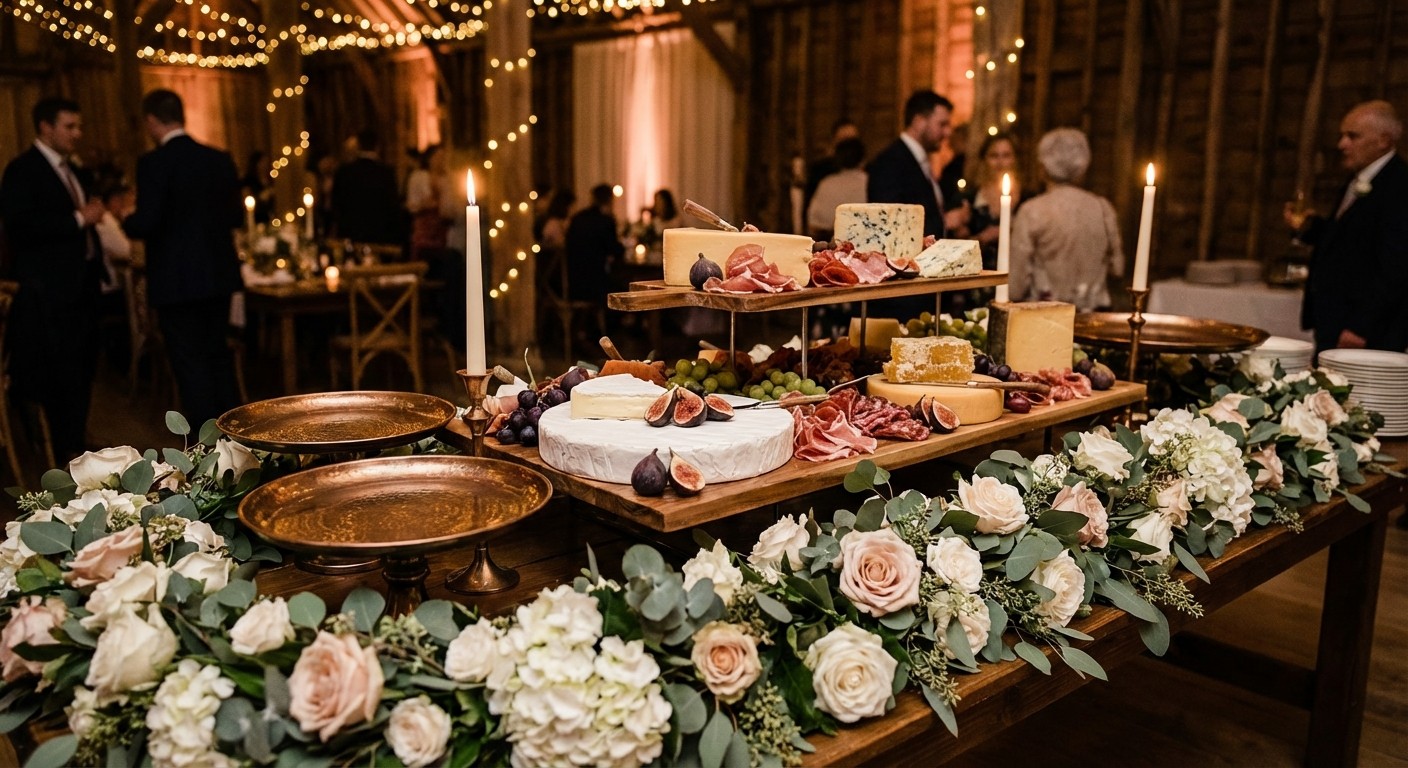
The plated dinner has ruled wedding receptions for decades. Three courses, delivered in sequence, eaten in silence between speeches. It is a format that prioritizes formality over flavor and tradition over experience. In 2026, couples are rejecting that script entirely. The food station has arrived as the dominant reception catering format, and it is changing how guests eat, move, mingle, and remember the celebration.
Interactive food stations transform a wedding reception from a seated meal into a culinary journey. Guests wander between stations offering different cuisines, watch chefs prepare dishes to order, customize their plates to their preferences, and discover flavors they have never tried before. The energy shifts from passive consumption to active exploration, and the entire atmosphere of the reception changes with it.
This trend is driven by the same forces reshaping every aspect of modern weddings: a demand for personalization, a rejection of one-size-fits-all formulas, and a generation of couples who see food as central to how they express identity and values. Whether you are planning a wedding for forty guests or four hundred, food stations offer a flexible, engaging, and deeply personal alternative to the traditional plated dinner.
Why Food Stations Are Dominating Wedding Receptions in 2026
The shift toward interactive catering reflects changes in how people eat and socialize outside of weddings. The rise of food halls, hawker markets, omakase counters, and chef-driven pop-ups has trained a generation to expect variety, theater, and personalization from their dining experiences. Couples who spend weekends exploring night markets and tasting menus want their wedding to reflect that adventurous palate rather than defaulting to a safe, predictable three-course dinner.
Social media has accelerated the trend. A beautifully styled food station photographs far better than a plated entree sitting on a table. Guests sharing stories of a live pasta station or a build-your-own taco bar create organic content that extends the reach and memory of your celebration. The visual appeal of abundant, artfully arranged food has made food stations one of the most shared elements on wedding platforms.
There is a practical dimension as well. Food stations solve the perennial problem of dietary restrictions. Instead of forcing every guest through the same menu with awkward substitutions, stations let people choose what works for them. The guest with a shellfish allergy skips the seafood station and loads up at the carving station. The vegan cousin builds a gorgeous plate from the Mediterranean mezze spread. Everyone eats well without anyone feeling singled out or limited.
Finally, food stations change the social dynamics of a reception. Plated dinners lock guests into their assigned seats for an hour or more. Food stations get people on their feet, moving through the space, and interacting with guests from different tables. The reception becomes a party rather than a formal dinner, and the energy level rises accordingly.
Types of Wedding Food Stations That Guests Love
The range of food station concepts has expanded far beyond the buffet line that previous generations knew. Modern wedding food stations are themed, curated, and designed as experiential moments. Here are the categories generating the most excitement in 2026.
Live Cooking Stations
Live cooking stations bring the theater of the kitchen into the reception space. A chef working a flaming wok, hand-rolling pasta, shucking oysters, or carving a whole roasted pig creates entertainment and spectacle that no plated dinner can match. The sizzle, the aroma, the visual drama of food being prepared in real time engages every sense and gives guests something to gather around and watch. Popular options include stir-fry stations, crepe and waffle bars, sushi rolling demonstrations, wood-fired pizza ovens, and carving stations featuring prime rib, lechon, or porchetta. The key is choosing dishes that cook quickly enough to serve guests without long waits while offering enough visual interest to justify the live format.
Grazing Tables and Charcuterie Displays
The grazing table has evolved from a trend into a wedding staple. These sprawling displays of artisanal cheeses, cured meats, seasonal fruits, crackers, dips, nuts, and edible flowers create a visual centerpiece that doubles as a social gathering point. The best grazing tables are styled by specialists who understand color, height, texture, and flow, transforming a simple spread of food into a work of edible art. For 2026 weddings, grazing tables are moving beyond the cocktail hour and appearing as full reception stations. Extended grazing setups that include warm elements like baked brie, grilled flatbreads, and honey-drizzled figs alongside cold components create a more substantial offering that can anchor a meal rather than merely precede one.
Global Cuisine Stations
Couples with multicultural backgrounds or well-traveled palates are using food stations to take guests on a culinary world tour. A reception might feature a Japanese station with sushi, edamame, and gyoza alongside a Mexican station with tacos al pastor, fresh guacamole, and elote. A Mediterranean mezze station with hummus, falafel, and grilled halloumi might sit next to a Southeast Asian station serving satay, spring rolls, and green papaya salad. This approach celebrates diversity in the most delicious way possible and gives guests permission to explore flavors outside their comfort zone. It is particularly popular for weddings where the couple comes from different cultural backgrounds, allowing both food traditions to share equal billing.
Dessert Stations and Sweet Bars
Dessert stations have become a non-negotiable element of the modern wedding reception. Rather than relying solely on a traditional wedding cake, couples are offering curated dessert experiences featuring multiple sweets. Donut walls, macaron towers, gelato carts, churro stations, and build-your-own sundae bars give guests choices and create Instagram-worthy moments. Australian weddings in particular are embracing dessert stations that showcase local sweets: lamingtons, pavlova, Tim Tams, and Anzac biscuits alongside Western favorites. The contrast creates a dessert spread that tells a cultural story while satisfying every sweet tooth in the room.
Interactive Beverage Stations
Beverage stations have graduated from simple open bars to curated experiences. Craft cocktail stations where mixologists prepare signature drinks to order are the most popular option, but the category has expanded to include wine and cheese pairing stations, build-your-own sangria bars, artisanal coffee and espresso stations for late-evening service, and even boba tea bars that resonate with younger guests. A well-placed beverage station serves as a natural gathering point and conversation starter, and it allows couples to express their personality through their drink selections.
How to Plan Your Food Station Layout for Maximum Flow
The physical layout of food stations determines whether your reception feels like a curated culinary experience or a chaotic cafeteria. Strategic placement ensures smooth guest flow, minimizes wait times, and creates the social energy that makes food stations so appealing.
Distribute stations around the perimeter and throughout the reception space rather than clustering them in one area. This encourages guests to move through the entire room and prevents bottlenecks at popular stations. Place the highest-demand stations, like carving or live cooking, in locations with the most space for queuing. Position lighter options like grazing tables and salad stations in areas where guests naturally pass through.
Consider the relationship between food stations and seating. Guests need a comfortable place to sit and eat between trips to the stations. Round tables work well because they accommodate plates at various stages of a meal, but lounge-style seating with cocktail tables is increasingly popular for food station receptions that emphasize a social, mingling atmosphere over a formal sit-down experience.
Traffic flow is the critical factor. Create clear pathways between stations that avoid crossing the dance floor or disrupting the head table. Place napkin and utensil stations at multiple points rather than only at the beginning of a line. Ensure each station is accessible from multiple angles so guests do not form a single long queue. Your caterer should conduct a site visit to map the layout before finalizing the floor plan.
Food Stations vs. Plated Dinners: Making the Right Choice
Choosing between food stations and a traditional plated dinner depends on your priorities, your venue, and your guest demographics. Both formats have genuine strengths, and understanding the tradeoffs helps you make an informed decision.
Food stations excel at creating energy, variety, and social interaction. They accommodate dietary restrictions naturally, allow guests to eat at their own pace, and transform the meal from a scheduled event into an organic part of the celebration. They work particularly well for receptions that prioritize a party atmosphere over formal structure.
Plated dinners offer elegance, control, and a clear sense of occasion. Every guest receives a beautifully composed plate at the same moment, the pacing of courses provides natural structure to the evening, and the format ensures that even the most reserved guests are properly fed without having to navigate a crowd. Plated service is often the better choice for very formal celebrations, older guest demographics, or venues with limited floor space for station setup.
A hybrid approach is gaining popularity in 2026. Many couples serve a plated first course or soup to seat guests and establish the rhythm of the evening, then open food stations for the main course. This combines the ceremony of plated service with the energy and variety of stations. Dessert stations almost always work regardless of how the main meal is served.
Cost is roughly comparable between the two formats when you account for all variables. Food stations require more serving vessels, more varied ingredients, and more service staff to man each station. Plated dinners require fewer stations but demand precision timing in the kitchen and more waitstaff for simultaneous service. Discuss both options with your caterer to get accurate pricing based on your specific menu and guest count.
Budgeting for Wedding Food Stations
Food station budgets vary widely depending on the number of stations, the complexity of the menu, and whether live cooking is involved. A general framework helps you plan realistically.
A basic food station setup with three to four stations serving cold and pre-prepared items typically costs between $50 and $80 per person. This might include a grazing table, a salad and grain bowl station, a carving station with one protein, and a dessert display. It is a strong option for couples who want variety without the premium of live cooking.
A mid-range setup with five to six stations that include one or two live cooking elements runs $80 to $130 per person. Adding a chef-manned pasta station, a stir-fry wok, or a sushi rolling demonstration elevates the experience significantly. This tier offers the best balance of variety, theater, and value for most wedding budgets.
A premium food station experience with eight or more stations, multiple live chefs, artisanal ingredients, and custom presentation pieces can reach $150 to $250 per person or more. This level is appropriate for couples who consider the culinary experience the centerpiece of their celebration and are willing to invest accordingly.
To manage costs without sacrificing impact, focus your budget on two or three hero stations that deliver maximum wow factor and fill in with simpler, less labor-intensive options. A stunning live cooking station flanked by well-styled but straightforward cold stations creates the impression of abundance without the price tag of staffing every station with a dedicated chef.
Styling and Presentation Tips for Stunning Food Stations
The visual presentation of your food stations contributes as much to the guest experience as the food itself. Thoughtful styling transforms a catering setup into a design element that enhances your overall wedding aesthetic.
Use varying heights to create visual interest. Wooden risers, cake stands, overturned crates, and tiered serving pieces draw the eye upward and make even a modest spread look abundant. Mix materials that complement your wedding design: marble boards for a modern celebration, rustic wood for a garden wedding, brass and crystal for a glamorous affair.
Incorporate your wedding florals into the food station design. A trailing garland of greenery along the front of a grazing table, small bud vases between serving platters, or a dramatic floral installation above a carving station integrate the food service into the overall visual design of the reception. Coordinate with your florist to ensure the food station flowers complement rather than compete with your centerpieces.
Signage elevates the experience from buffet to curated tasting. Small cards describing each dish, its origin, or its significance to you as a couple turn eating into storytelling. Calligraphed station names on acrylic signs or vintage frames add a polished touch. If you are serving dishes from multiple cultures, brief descriptions help guests understand what they are tasting and encourage adventurous choices.
Lighting matters at food stations just as much as it does at dining tables. Ensure each station is well-lit so guests can see the food clearly and it photographs beautifully. Warm-toned spotlights or candle clusters at each station create a welcoming glow that draws guests in.
Why Accurate RSVPs Are Critical for Food Station Success
Food station catering requires precise guest count management to avoid two costly outcomes: running out of food or wasting enormous quantities of it. Unlike plated dinners where each guest receives a portioned plate, food stations must be stocked to allow for the natural variation in how much each person eats and which stations they visit.
Caterers typically prepare food station quantities based on a formula that assumes each guest will visit most stations and take moderate portions. An inaccurate guest count throws this formula off significantly. Twenty fewer guests than expected means substantial food waste across every station. Twenty more guests than expected means stations running empty before the last guests have eaten, which is one of the most memorable failures a reception can suffer.
Digital RSVP platforms solve this problem by giving you real-time visibility into your confirmed guest count as it evolves. Rather than waiting for paper response cards to trickle in over weeks, you can check your dashboard at any moment and share an updated count with your caterer. The best platforms also capture dietary information and meal preferences, which helps your caterer plan quantities at each station with precision.
Set your RSVP deadline at least three weeks before the wedding to give your caterer adequate time to finalize orders. Send follow-up reminders through your RSVP platform to guests who have not responded. Every confirmed response tightens the accuracy of your food order and reduces the risk of shortage or waste.
Frequently Asked Questions About Wedding Food Stations
How Many Food Stations Do You Need for a Wedding?
Plan for one food station per 30 to 40 guests as a baseline, with a minimum of three stations for any wedding. A reception of 100 guests works well with four to five stations plus a dessert station. Larger weddings of 200 or more may need seven to ten stations to prevent long queues. Your caterer can advise on the optimal number based on your menu complexity, venue layout, and service timeline.
How Long Should Food Stations Stay Open?
Food stations typically remain open for 90 minutes to two hours during the main meal service. This gives all guests ample time to visit each station at a comfortable pace, even accounting for speeches and other program elements that may interrupt the flow. Dessert stations can open later in the evening and remain available until the reception ends. Late-night snack stations, featuring comfort food like sliders, fries, or noodles, are a popular addition that opens during the final hour of dancing.
Can You Have Food Stations at an Outdoor Wedding?
Absolutely, but outdoor food stations require additional planning for temperature control, food safety, and weather protection. Hot food stations need chafing dishes or warming equipment to maintain safe serving temperatures. Cold stations need ice beds or refrigerated displays, especially in tropical climates like Australia where ambient temperatures can compromise food quality quickly. Tented areas or covered pavilions protect stations from sun exposure and unexpected rain. Discuss outdoor-specific logistics with your caterer early in the planning process.
How Do You Handle Kids at Food Station Weddings?
Children at food station receptions need some accommodation to ensure they eat well without creating chaos at the stations. A dedicated kids station with familiar favorites like chicken tenders, mac and cheese, and fruit is the simplest solution. Alternatively, assign a family-style plated option to tables with young children so parents do not have to navigate multiple stations while managing their kids. If your guest list includes many families, consider opening stations 15 minutes early for families with young children so they can serve their kids before the crowd arrives.
The food station revolution is not about abandoning tradition for the sake of novelty. It is about recognizing that the meal at your wedding should be as thoughtful, personal, and exciting as every other element of the celebration. In 2026, couples are refusing to settle for a generic three-course dinner when they could offer their guests a culinary adventure that reflects who they are as a couple.
Whether you choose a single live cooking station to supplement a modified plated service or transform your entire reception into an immersive food hall experience, the key is intentionality. Choose stations that tell your story, style them to match your aesthetic, plan the layout for natural flow, and invest in precise RSVP management to ensure every station is stocked to perfection. The result will be a reception where the food is not just sustenance between speeches but a highlight that guests talk about for years to come.