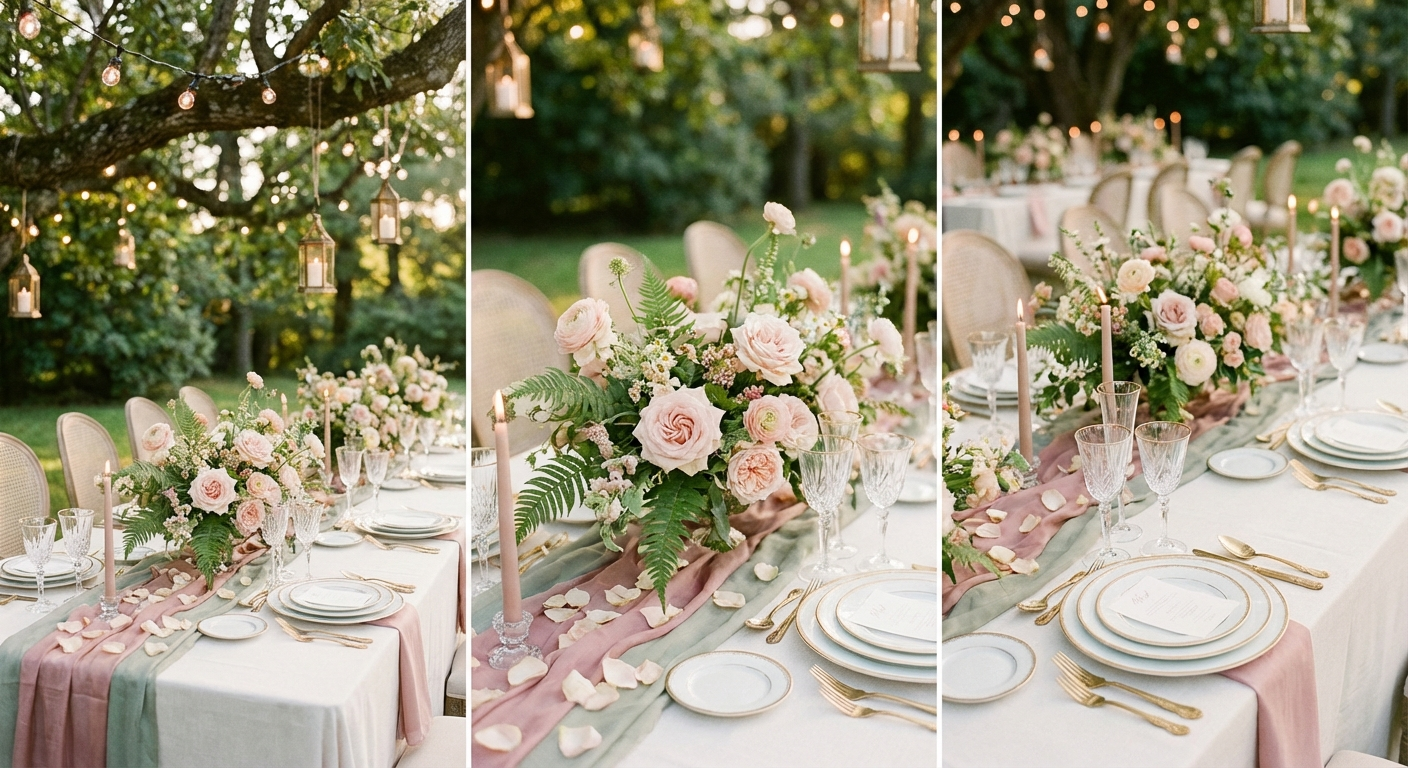
Spring in Australia spans September, October, and November, and for couples planning their wedding, these months represent the peak of the wedding calendar. After the cooler winter months, couples emerge ready to celebrate in the warmth and colour that spring brings across the country. From the blooming gardens of Victoria to the wildflowers of Western Australia, spring offers an extraordinary canvas for wedding celebrations. The 2026 wedding season is bringing distinct trends that reflect the priorities of modern Australian couples: immersive experiences over spectacle, sustainability alongside beauty, and technology that enhances rather than dominates the celebration.
Understanding the trends shaping spring weddings in 2026 helps Australian couples make informed decisions about their celebration. Whether you are planning a ceremony in a Hunter Valley vineyard, a garden party in Adelaide, or a coastal celebration on the Gold Coast, the choices you make about styling, entertainment, and guest experience will be shaped by the broader trends influencing weddings across the country. This guide explores the key spring wedding trends for Australian couples in 2026, offering practical guidance for incorporating these styles into your celebration.
Spring and the Australian Wedding Calendar
The Australian wedding calendar follows seasonal patterns that differ significantly from the Northern Hemisphere. While much of the world thinks of June and July as peak wedding months, Australian couples prioritise the warmer months from October through April. Spring marks the beginning of this peak season, with September serving as a transition month where winter weddings in cooler regions give way to the abundance of spring. October and November are consistently the most popular months for Australian weddings, with temperate conditions across most of the country creating ideal ceremony and reception conditions.
Regional variations within Australia create different optimal windows within the spring season. Victoria and New South Wales experience spring from mid-September, with gardens coming into bloom and temperatures ranging from 15 to 25 degrees Celsius. Queensland maintains warm conditions year-round, making spring an excellent choice for outdoor ceremonies without the humidity that can make summer weddings challenging. South Australia and Western Australia follow similar patterns, with spring temperatures between 18 and 28 degrees providing comfortable conditions for celebrations. Tasmania, being cooler, often sees its best conditions from November onwards, with longer daylight hours and stable weather.
The spring wedding season creates specific logistical considerations for Australian couples. Venues in popular destinations such as the Yarra Valley, Hunter Valley, and Byron Bay book quickly, with many couples securing their preferred suppliers 12 to 18 months in advance. Peak spring weekends, particularly in October, fill first, leaving mid-weekend dates and shoulder-season options for those planning more recently. Couples should begin venue research and booking at least 14 months before their preferred date to ensure the widest range of options.
Immersive Floral Installations and Statement Decor
One of the defining trends in Australian spring weddings 2026 is the move toward immersive floral installations and statement decor that transform venues into complete environments rather than decorated spaces. Where previous years saw couples prioritising elegant but contained centrepiece arrangements, 2026 couples are investing in large-scale floral installations that create natural cathedral-like spaces within their venues. These installations often extend from ceilings, cover entire walls, or create dramatic focal points that guests encounter as they move through the celebration.
Australian florists have developed significant expertise in this area, with studios in Sydney, Melbourne, and Brisbane leading the development of techniques suited to local conditions and venues. The use of native Australian flora, including banksias, waratahs, and eucalyptus, has become increasingly sophisticated, with florists combining these elements with imported flowers and lush tropical foliage to create distinctly Australian arrangements that feel both contemporary and rooted in place. This approach resonates with couples who want their wedding to reflect a sense of location rather than generic luxury.
The budget considerations for statement floral installations vary significantly based on scale and complexity. A basic installation covering a ceremony arch might cost between $800 and $2,500 AUD depending on flower selection and labour. Full venue installations that create immersive environments can range from $5,000 to $15,000 AUD or more for premium venues with significant coverage. Many couples choose to balance statement pieces in key areas with more modest arrangements elsewhere, directing visual impact where guests will experience it most intensely while maintaining budget discipline.
Long-Table Dining and Outdoor Reception Trends
The communal dining experience continues to dominate Australian spring wedding receptions in 2026, with long-table configurations replacing individual seating as the default for outdoor and semi-outdoor celebrations. This trend reflects the priority Australian couples place on conversation and connection, with long-table dining naturally encouraging interaction among guests who might otherwise remain isolated at individual tables. Vineyard estates, garden venues, and beachside locations across Australia have embraced this format, with many properties specifically designed to accommodate long-table configurations.
Australian couples are also extending dining beyond the traditional reception timeline. Spring weddings increasingly feature welcome dinners on the evening before the ceremony, relaxed farewell brunches the day after, and interactive food stations that allow guests to personalise their dining experience. This extended timeline creates more opportunities for guests to connect with the couple and with each other, transforming a single-day celebration into a genuine wedding weekend experience. Venues in destinations such as Margaret River, the Adelaide Hills, and the Hunter Valley have developed specifically tailored weekend packages to support this approach.
The styling of long-table receptions has evolved to include textured linens, layered glassware, and natural elements that reflect the spring environment. Australian couples are moving away from the highly formal, colour-coordinated aesthetic of previous years toward more organic, layered looks that feel collected rather than purchased. Dried grasses, textured ceramics, and mismatched glassware create visual interest while maintaining an elegance appropriate for a wedding celebration. These approaches often prove more sustainable, as elements can be repurposed or returned to suppliers rather than discarded.
Live Slideshow Displays and Wedding Entertainment Technology
Entertainment technology continues to evolve in Australian spring weddings, with live slideshow displays emerging as a signature element of 2026 celebrations. Rather than relying solely on a DJ or band to maintain energy throughout the reception, couples are incorporating real-time photo displays that show images captured by guests throughout the celebration. These displays create a dynamic visual element that evolves throughout the night, keeping guests engaged and providing entertainment during transitions between formal elements. According to Australian wedding industry sources, live slideshow displays are among the fastest-growing entertainment elements in the 2026 wedding market.
The technology supporting these displays has become more accessible and affordable for Australian couples. Tabletop displays, projector setups for larger venues, and dedicated social media walls all offer different approaches to the same concept. Many couples create custom hashtags that aggregate guest photos automatically, creating a continuously updating visual record of the celebration. Some couples work with dedicated wedding photo booth suppliers who provide the hardware and manage the display throughout the celebration, eliminating technical complexity on the day itself.
Beyond slideshow displays, Australian couples are incorporating other technology elements that enhance rather than dominate their celebrations. Digital RSVP platforms have become standard, with couples appreciating the ability to track responses, manage dietary requirements, and communicate with guests efficiently. Live streaming for remote guests remains common, particularly for couples with family unable to travel from interstate or overseas. These technologies are now integrated smoothly enough that they do not disrupt the organic feel of the celebration while ensuring all loved ones can participate in the joy of the day.
Sustainable and Ethical Wedding Choices
Sustainability has moved from a niche concern to a mainstream consideration in Australian spring wedding planning. Couples getting married in 2026 are increasingly prioritising environmental and ethical considerations across every element of their celebration, from the sourcing of flowers and food to the materials used in stationery and the afterlife of decorative elements. This shift reflects broader consumer values and is particularly pronounced among younger Australian couples who view their wedding as an expression of their broader life values rather than a separate, exceptional event.
Practical sustainable choices for Australian spring weddings include sourcing seasonal flowers from local growers rather than imported varieties, choosing caterers who prioritise local and organic produce, and selecting venues with established environmental practices. The Australian wedding industry has responded with increased transparency about sourcing and supply chains, making it easier for couples to make informed choices. Vineyards and farm venues often have natural environmental advantages, with many operating sustainability programs that align naturally with couples seeking eco-conscious celebrations.
The economics of sustainable weddings have become more favourable as demand has increased. While premium sustainable options remain more expensive, mainstream alternatives have narrowed the gap with conventional choices. Digital stationery eliminates paper waste entirely while offering design flexibility that paper cannot match. Hire furniture and decor reduces the environmental footprint of styling while often proving more cost-effective than purchasing new items. Many couples find that sustainable choices align with aesthetic preferences, as natural, ethically sourced elements often look more distinctive and beautiful than mass-produced alternatives.
Spring 2026: The Colours Defining Australian Wedding Seasons
The colour palettes shaping Australian spring weddings in 2026 reflect a departure from the muted pastels that dominated previous years. While soft blush, sage green, and cream remain popular foundations, couples are introducing richer accent colours that create more dramatic visual impact. Deep burgundy, terracotta, and burnt orange are increasingly featured alongside traditional spring palettes, adding warmth and depth that complements the natural Australian landscape. These deeper tones work particularly well in vineyard settings, where they echo the autumn colours that appear in cooler areas during October and November.
Chocolate browns and espresso tones are emerging as sophisticated neutral options for Australian weddings, replacing the safe greys and taupes of previous years. These warmer neutrals pair beautifully with natural wood elements, dried grasses, and gold metallic accents, creating wedding palettes that feel grounded and contemporary. The trend appears particularly popular for autumn and late-spring celebrations in Victoria and New South Wales, where the changing natural colours provide beautiful context for these richer palettes.
For couples who prefer softer approaches, the 2026 palette still offers refined options. Warm whites, soft champagnes, and delicate blush tones continue to perform well, particularly for outdoor ceremonies where natural light creates a flattering environment. The key shift is toward warmth and depth across all palette choices, with cool undertones giving way to golden and peachy hues that feel appropriate for the sunlit spring environment. Australian conditions favour palettes that work harmoniously with natural light and outdoor settings.
Australia's Best Spring Wedding Destinations
Australian couples are increasingly choosing destination-style celebrations within Australia, using their wedding as an opportunity to bring guests to a location with distinctive character and beauty. The Yarra Valley and Mornington Peninsula in Victoria remain premier destinations for wine region weddings, offering cellar door venues, vineyard estates, and specialist wedding properties within easy reach of Melbourne. Spring in these regions brings blooming hedgerows and vibrant vineyard growth that creates extraordinary photographic backdrops without any decoration required.
The Hunter Valley north of Sydney offers a contrasting wine region experience, with more established wedding infrastructure and a broader range of venue styles. Spring weddings in the Hunter benefit from warm temperatures and typically stable weather, with the added attraction of the region is restaurants, wineries, and accommodation options creating a complete weekend experience for wedding guests. Many couples host welcome dinners on the Friday evening before the wedding, giving guests an opportunity to explore the region and settle in before the main celebration.
For couples seeking coastal settings, the Gold Coast and Byron Bay offer spring conditions that are particularly favourable. Water temperatures remain comfortable for beach activities, while the risk of summer storms and extreme humidity has not yet arrived. Byron Bay in particular has developed a comprehensive wedding supplier community, with venues, celebrants, photographers, and stylists who understand the specific requirements of coastal celebrations. The region is bohemian character continues to attract couples seeking a relaxed but sophisticated wedding atmosphere.
Budgeting for a Spring Wedding in Australia
Spring remains peak season for Australian weddings, and budgeting accordingly means anticipating higher costs than shoulder-season alternatives. Venue hire in popular spring destinations typically commands a premium of 15 to 30 percent compared to winter dates, with the most sought-after weekends in October and November commanding the highest prices. Couples who can be flexible about their exact date, or who consider mid-week or Sunday celebrations, often find meaningful savings without sacrificing the spring setting they want.
A typical budget for a 100-guest spring wedding in Australia might range from $45,000 to $75,000 AUD depending on location, supplier quality, and design ambitions. This figure includes ceremony and reception venue hire, catering and beverages, photography and videography, florals and styling, entertainment, celebrant and legal requirements, attire, and miscellaneous costs. Couples who prioritise specific elements should expect to adjust other areas to accommodate their choices, as the combined costs of quality suppliers across all categories quickly exceed even generous budgets.
Strategic budget allocation distinguishes successful spring wedding planning. Investing in quality photography ensures lasting memories regardless of other choices, while allocating budget to entertainment and food creates the guest experience that guests remember most directly. Florals and styling can often be scaled to fit available budget without compromising the overall aesthetic, particularly when couples embrace seasonal, locally sourced options that do not require expensive imported varieties. Working with experienced planners or coordinators who understand local supplier markets helps couples make informed allocation decisions.
Spring weddings in Australia in 2026 are defined by a balance between immersive beauty and authentic experience. The trends shaping the season reflect what modern Australian couples value: celebrations that feel personal and meaningful, environments that honour the natural beauty of the Australian landscape, and experiences that bring guests into genuine connection with the couple and with each other. Whether you are planning an intimate garden ceremony in Victoria, a coastal celebration in Queensland, or a vineyard wedding in Western Australia, spring offers ideal conditions for creating the wedding you envision.
The practical guidance for spring Australian weddings centres on early planning, strategic supplier selection, and authentic decision-making. Book your venue 14 to 18 months ahead for peak spring dates, prioritise suppliers whose aesthetic aligns with your vision, and make choices that reflect who you are as a couple rather than following trends blindly. The most memorable weddings are those that feel genuine, and spring in Australia provides the perfect backdrop for creating those genuine celebrations.
WeddingRSVP simplifies the planning process with tools designed specifically for Australian couples. Our platform supports custom wedding websites, digital RSVP management, and guest communication that adapts to the Australian wedding calendar. Start building your wedding website today and discover how WeddingRSVP can help you create the spring celebration you envision.